Everything the content machines have made.
Creative is the bottleneck nobody puts on the invoice. A campaign needs forty assets to find the two that work, a designer makes four good ones a day, so the test plan quietly shrinks to fit the person instead of the market. Most brands never learn what would have worked, because they never made it.
How these were measured: Counted from the repos on 2026-07-26. The 66 creatives below are every machine-rendered asset we could account for, not a shortlist pulled from a larger hidden set. The wellness, fashion and lifestyle concept sets are the creatives already running on the Ad Factory page, resized for this wall. The combination space is the literal size of swipe-file/unified-framework-library.json: 12 hook frameworks, 5 visual frameworks, 3 body recipes, 4 voice tracks.
Reviewed 2026-09-16 · Kratt editorial review
Ownership and handover
- Current owner
- Kratt owns and operates this internal system.
- Kratt's role
- Kratt designed, built, and maintains the capability for its own work.
- Handover
- It is shown as capability evidence, not as a promised client deliverable.
What we shipped
kratt runs a set of creative machines: a four-loop pipeline that turns a codified brand DNA file into finished ads, posters, carousels, lookbook frames and editorial heroes. One engine, cloned per brand, each with its own DNA, colours, reference photography and template bank. Everything on this page came out of it.
The engine refuses to repeat itself.
Most "AI creative" is one template with the words swapped, and the feed learns to skip it by the third impression. Loop 3 works the other way around. Every fire samples a fresh combination of hook, visual, voice, founder and case study out of a library distilled from three direct-response operators, fingerprints that exact combination, and then refuses to fire the same fingerprint again for thirty days. Structure is what gets borrowed; copy never is. What comes out reads like a studio with a rotating roster rather than one prompt run forty times.
Every page we built, live
Brand DNA and reference photography in, finished creative out. Four steps, one command.
Reads what actually runs in the Meta Ad Library, then throws the copy away and keeps the shape.
The anti-template. Samples a combination, fingerprints it, refuses the repeat.
Cinematic video on a pipeline, plus a short-form track for reels.
Everything it has made
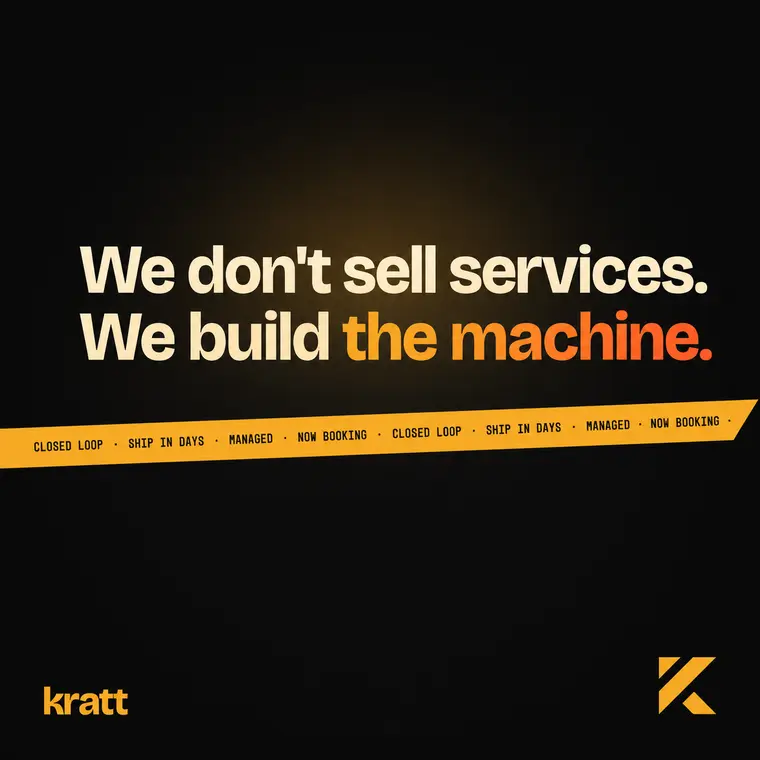
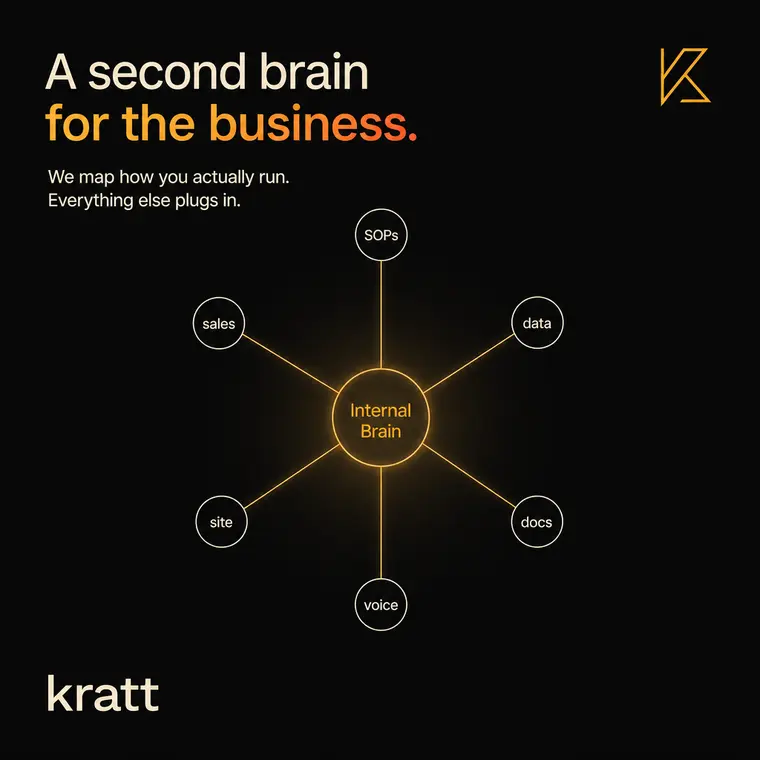
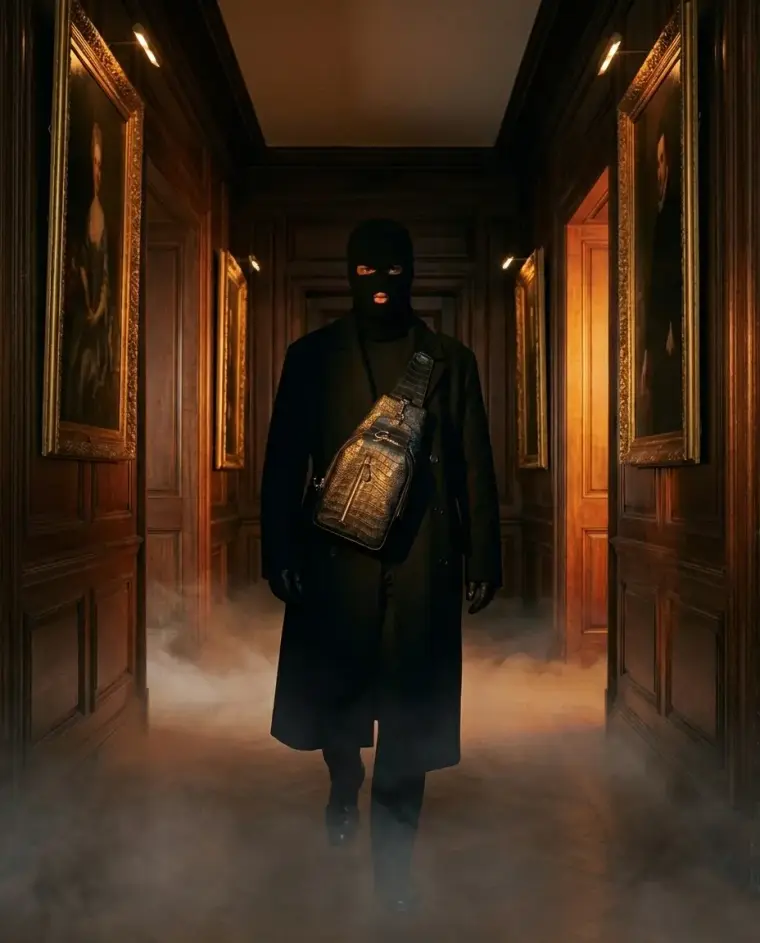
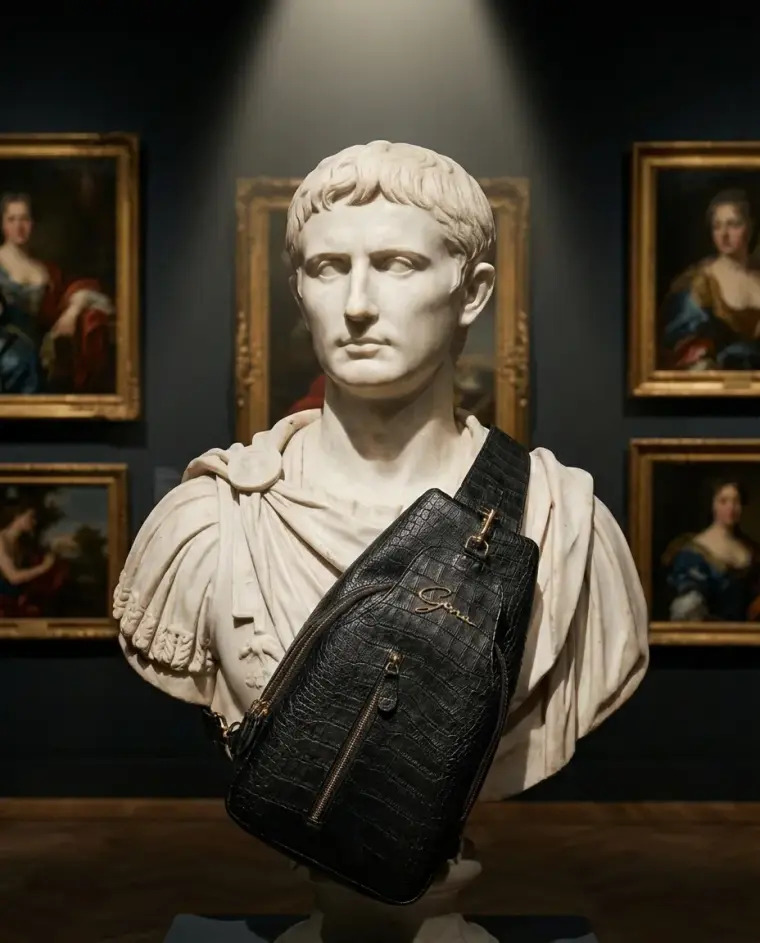
The house brand, run through its own machine. Black, gold, one claim per frame.
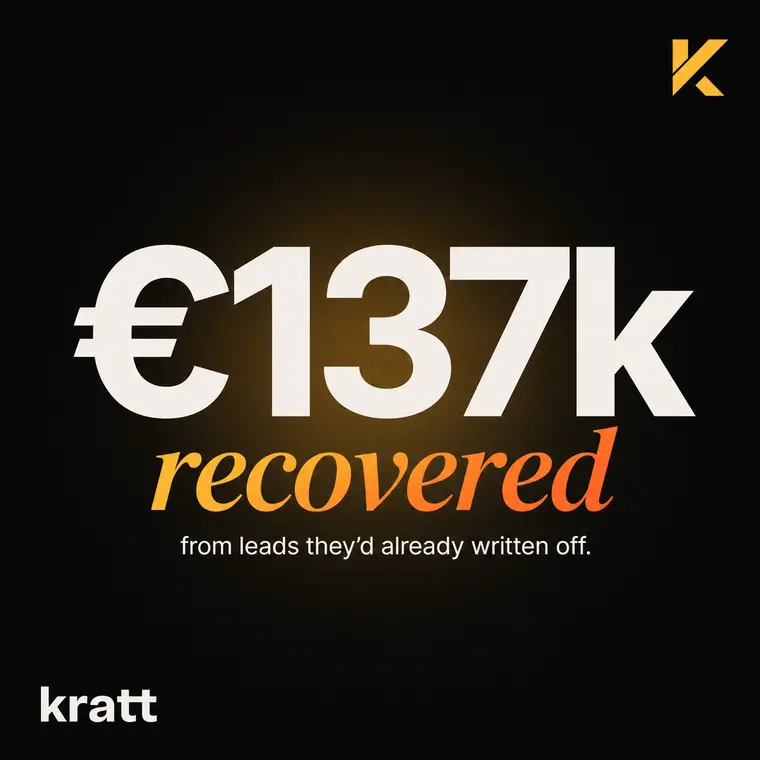
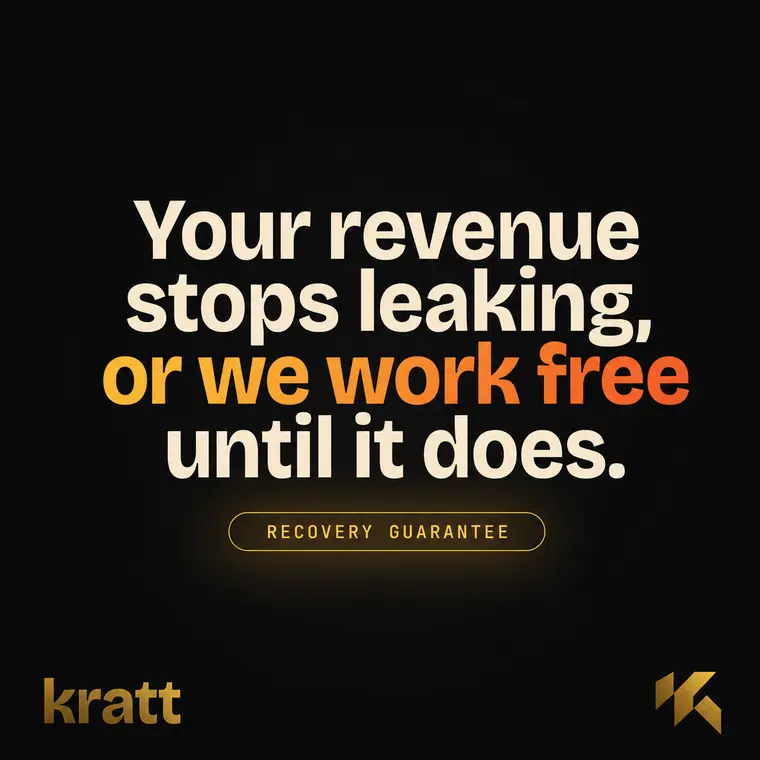
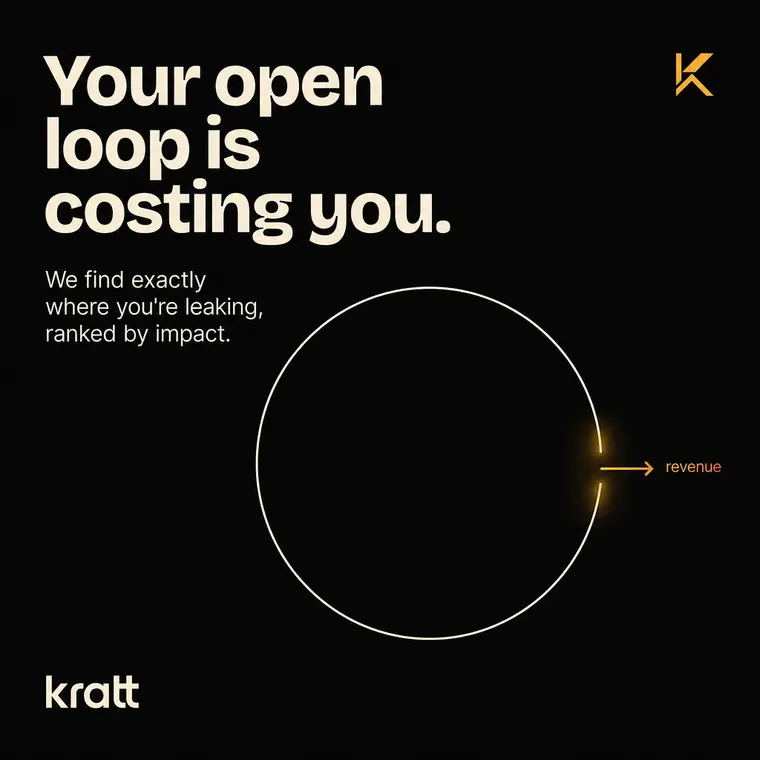
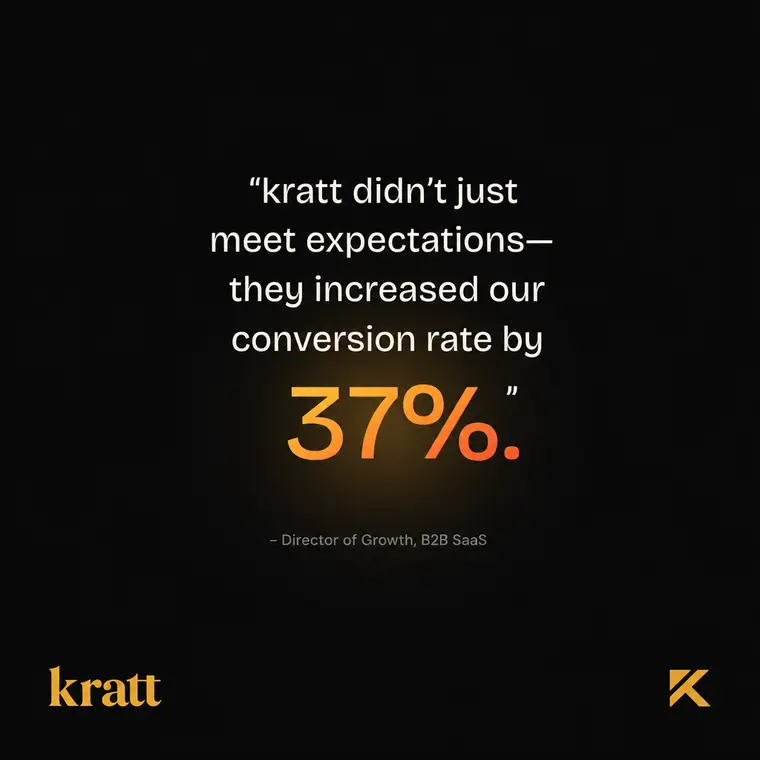
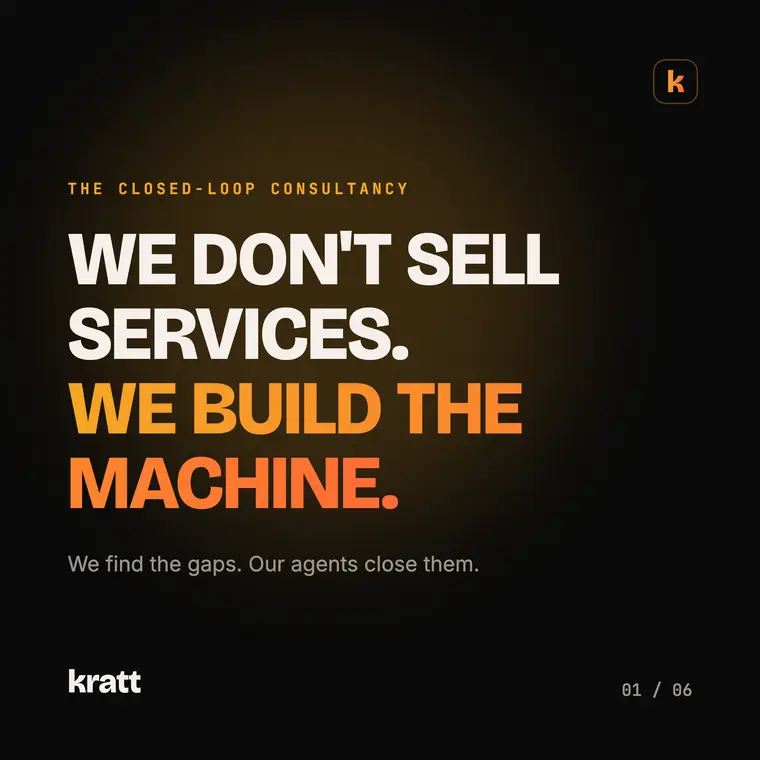
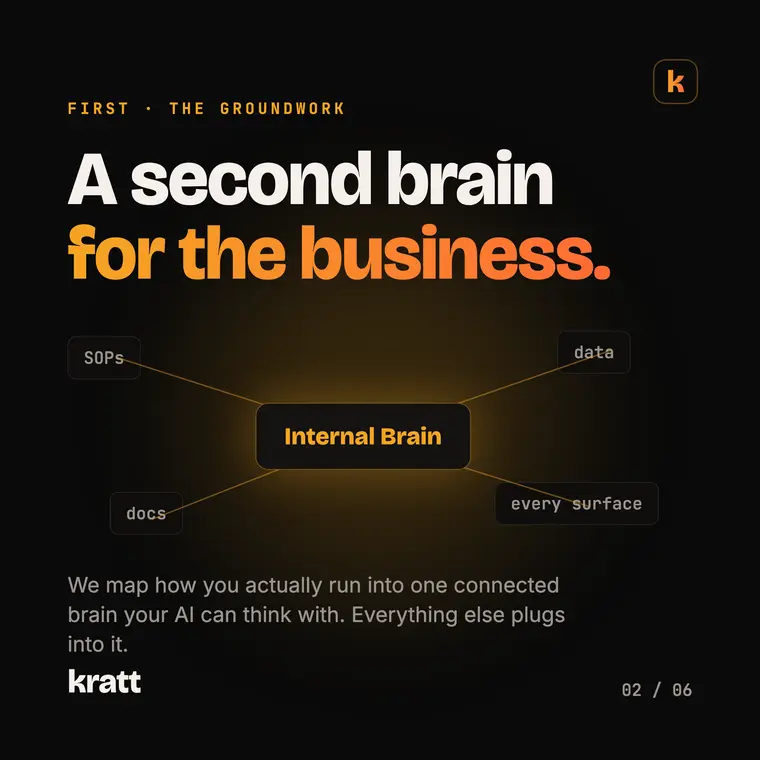
Six slides composed as one narrative, not six separate images with a shared border.
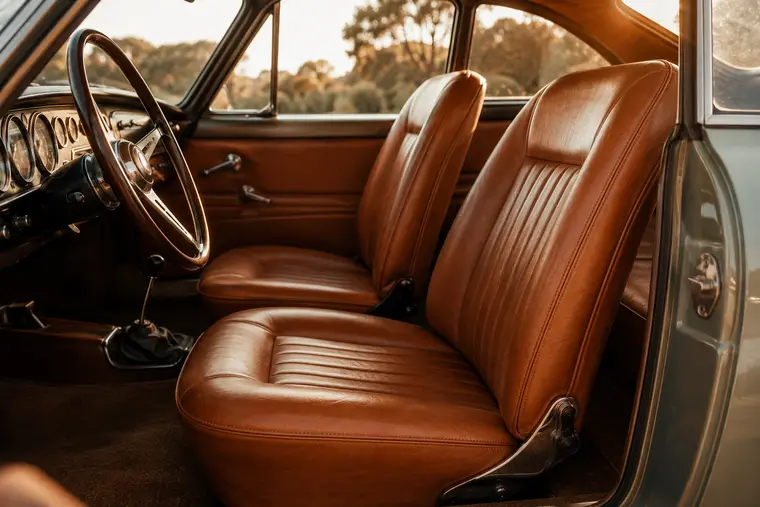
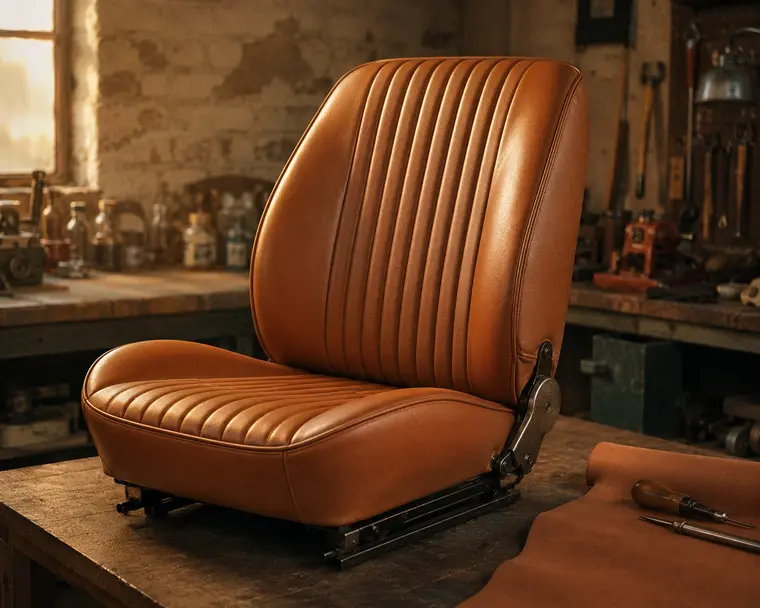
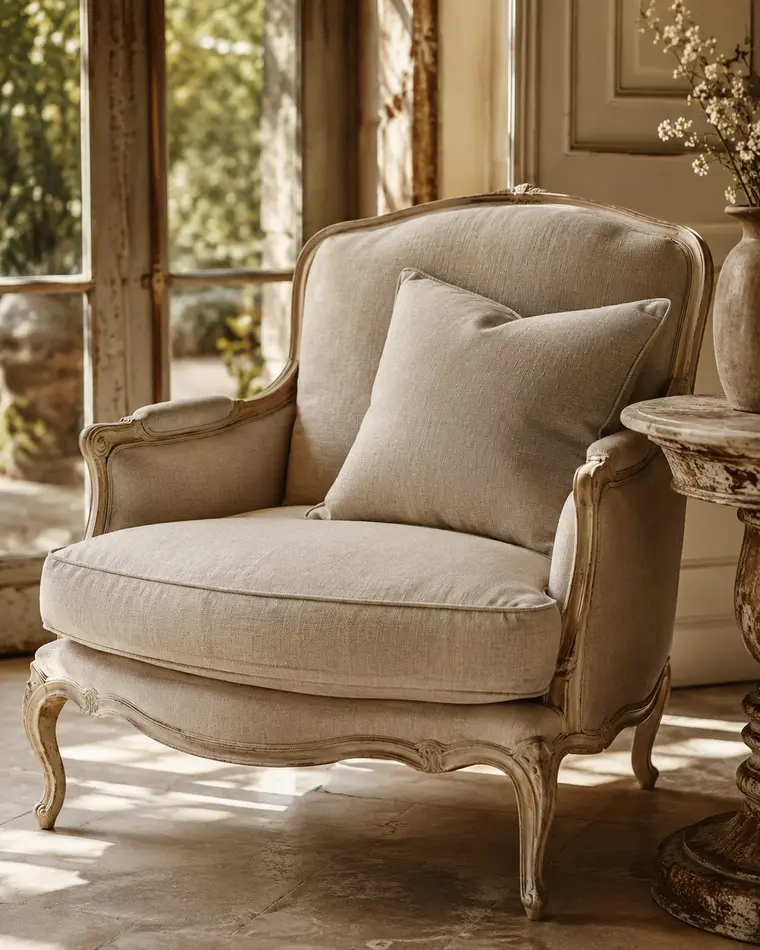
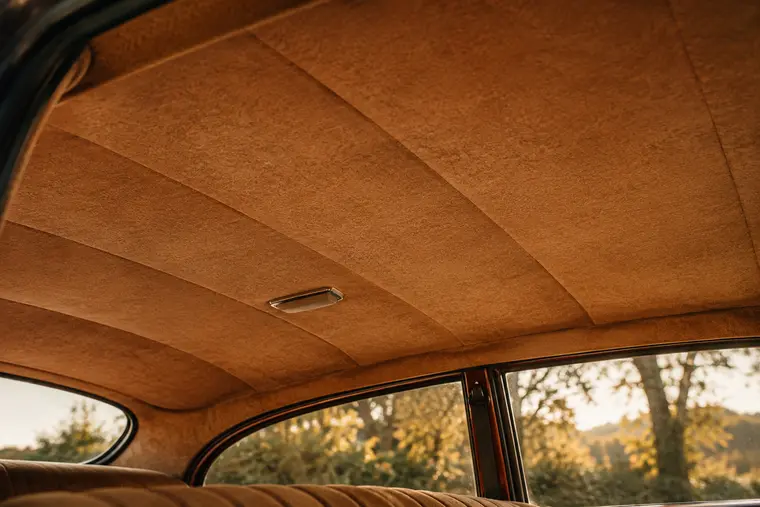
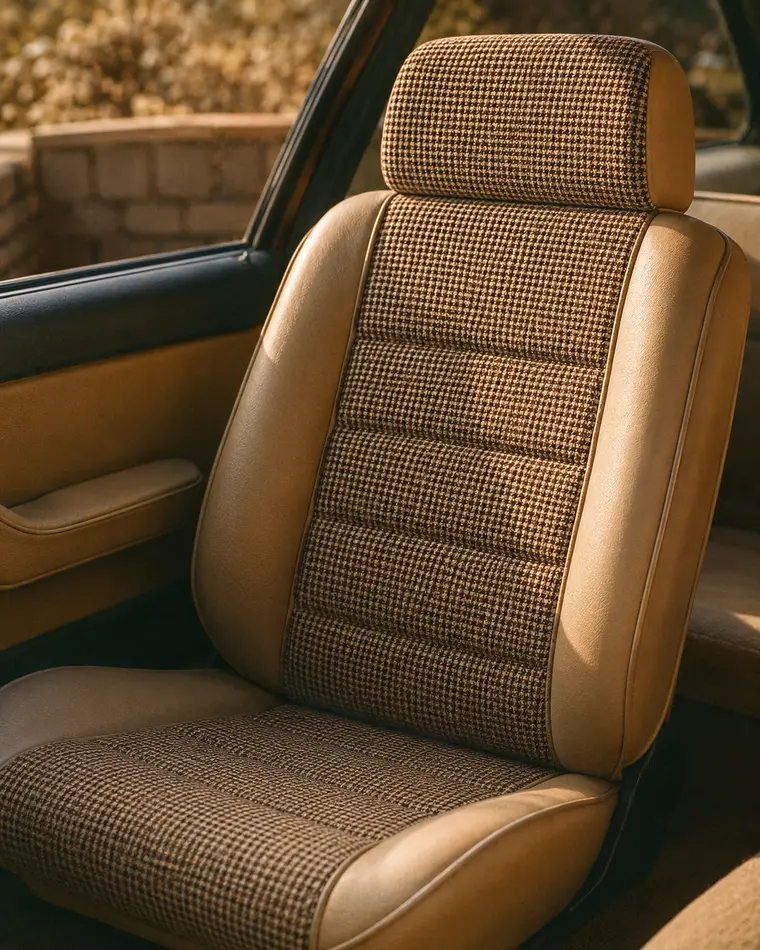
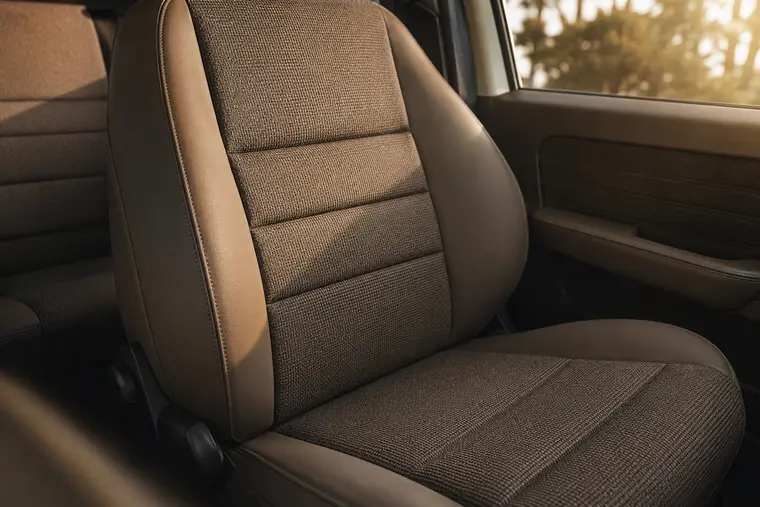
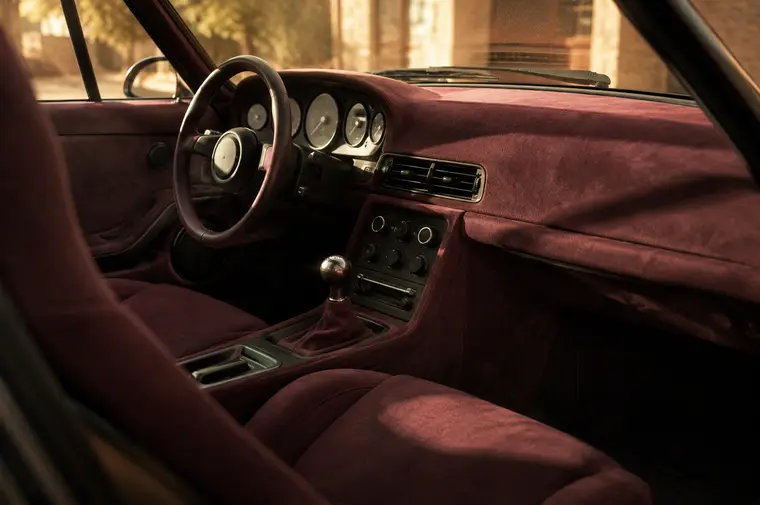
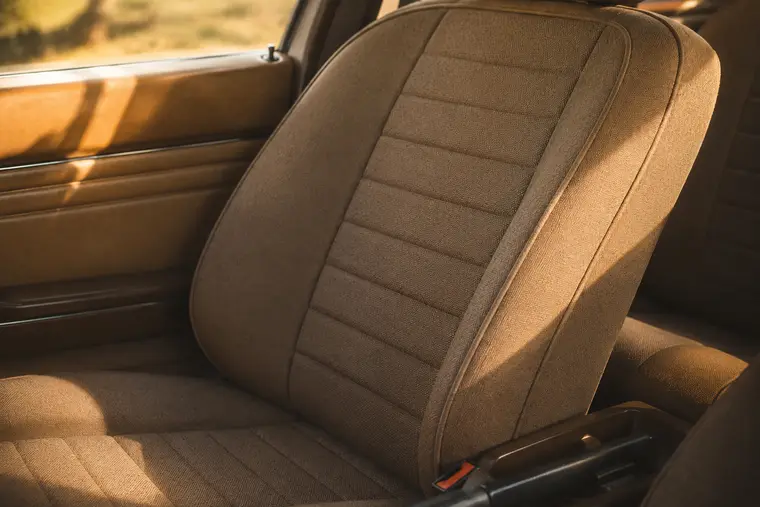
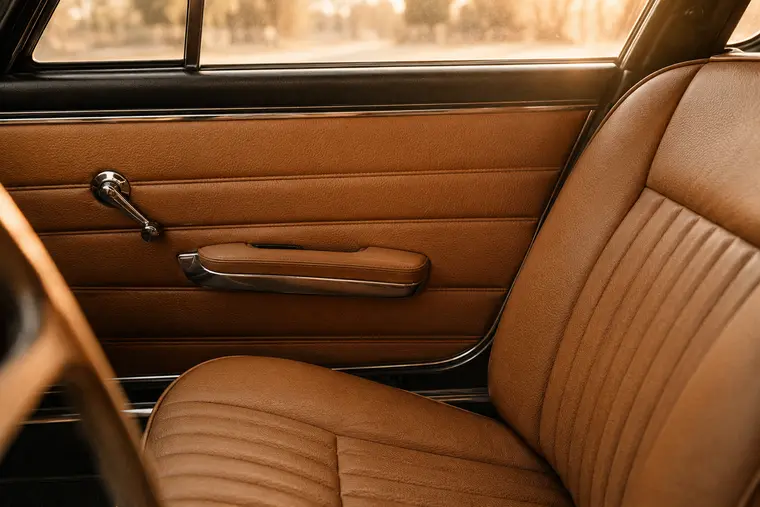
Estonian leather and automotive upholstery. Material, application and interior sets, generated from the product spec rather than shot.
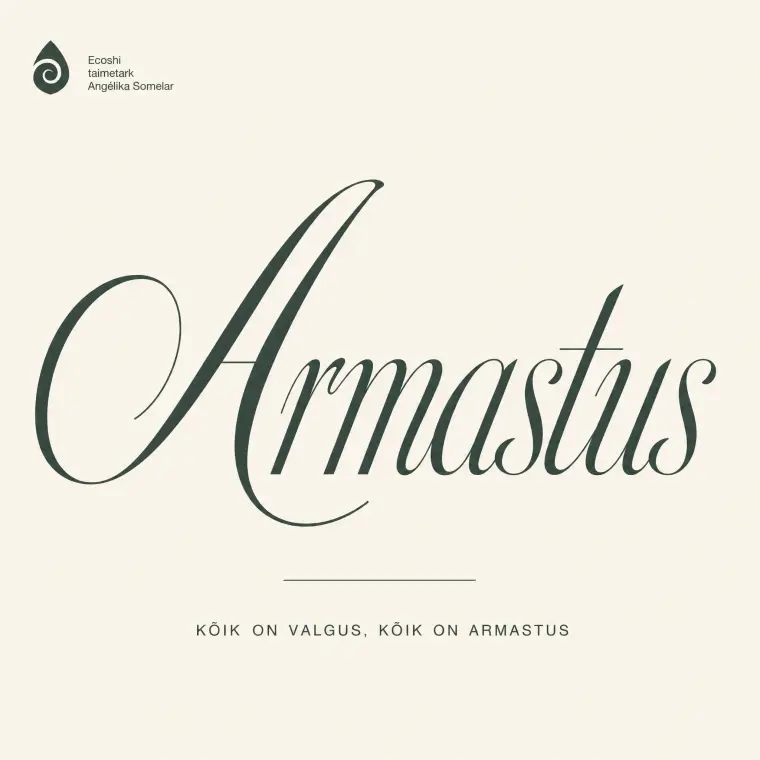
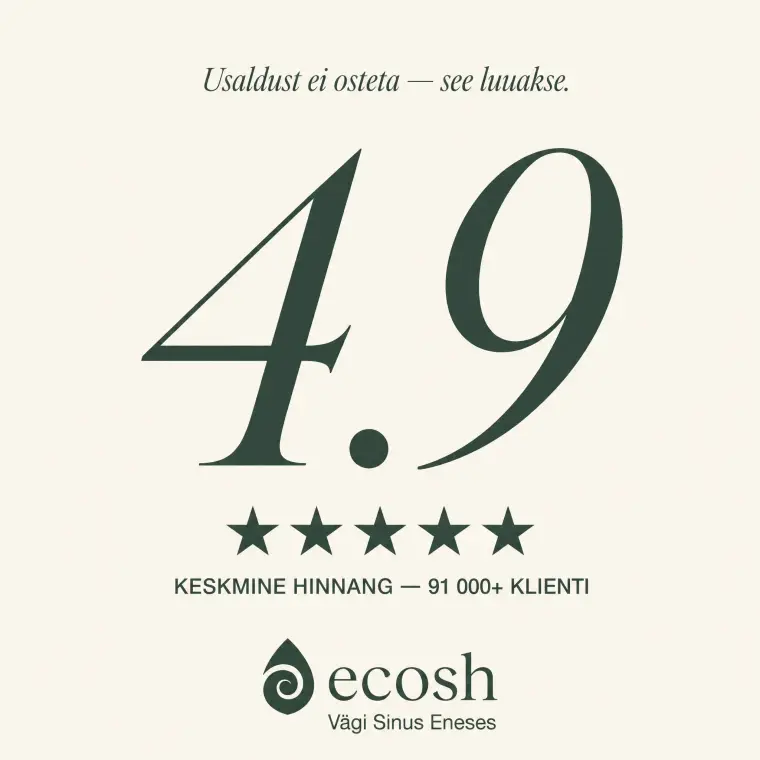
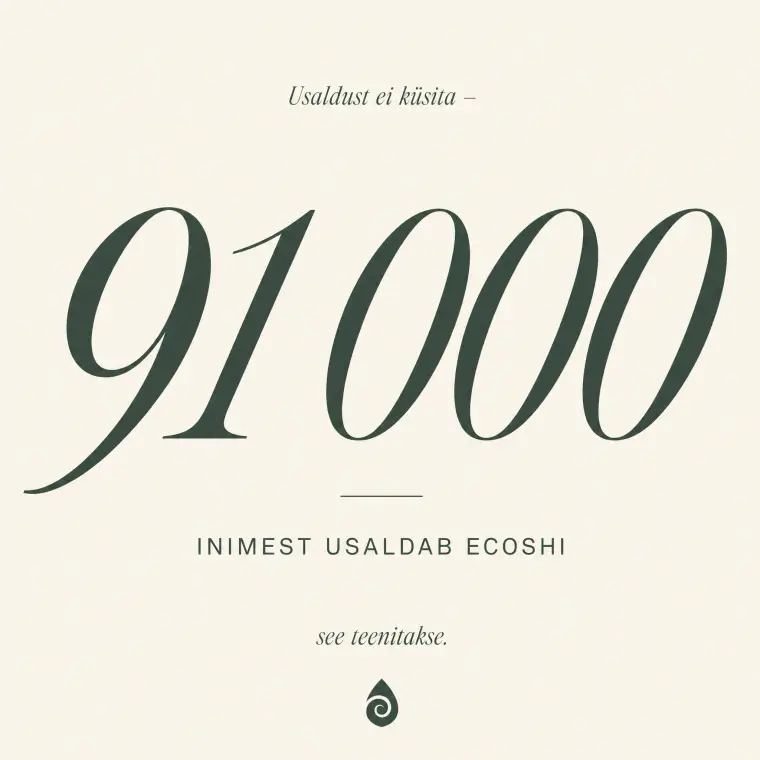
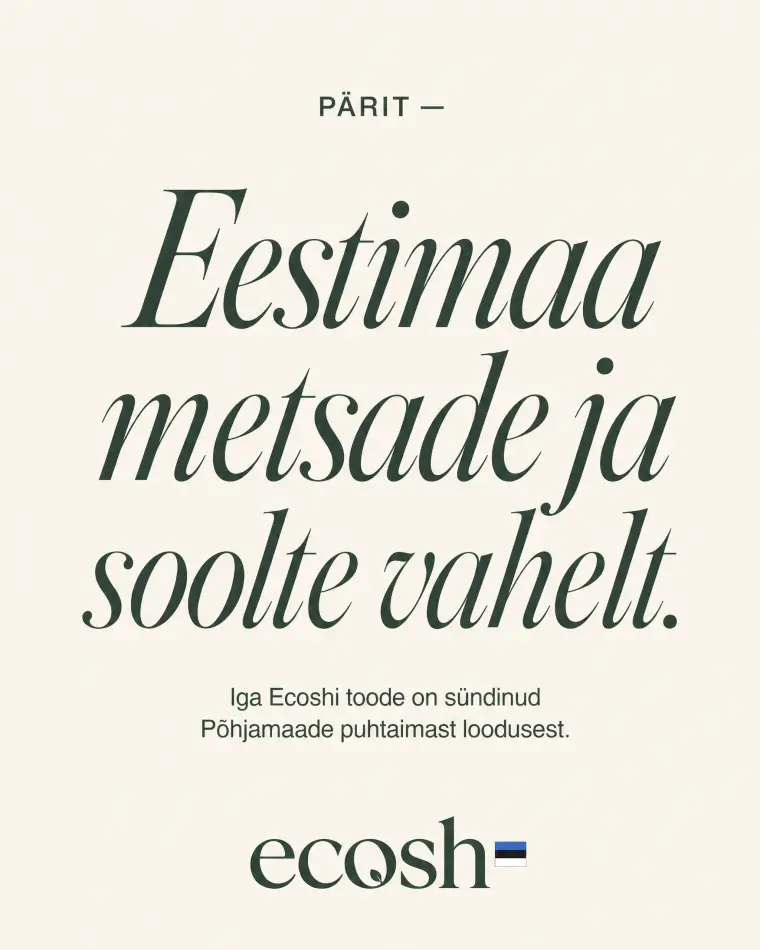
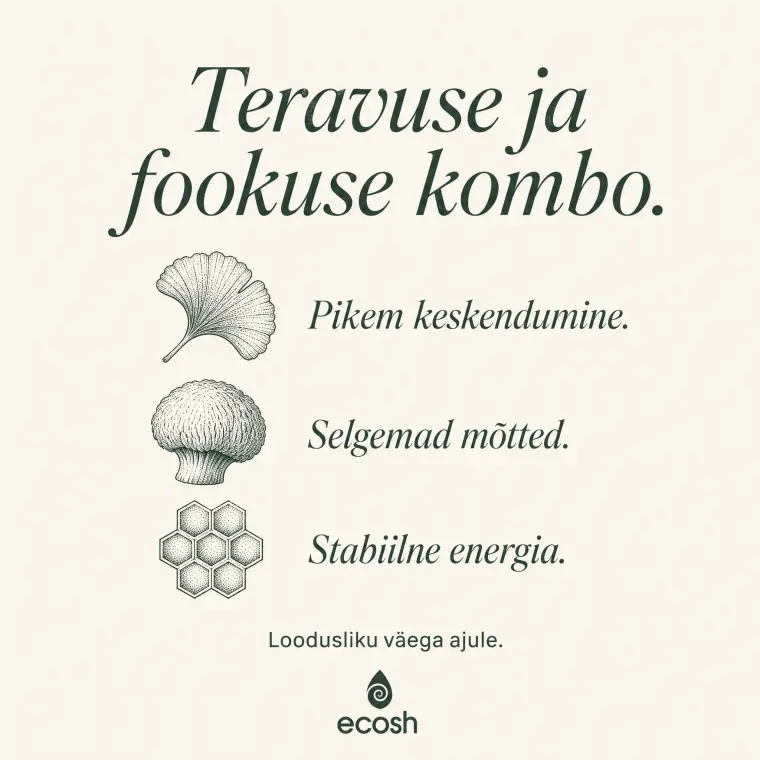
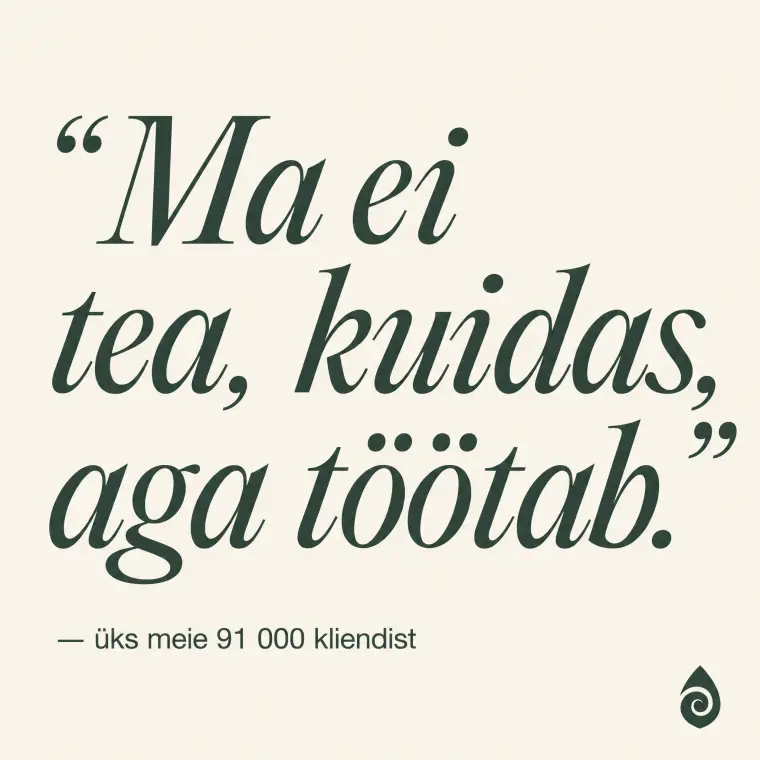
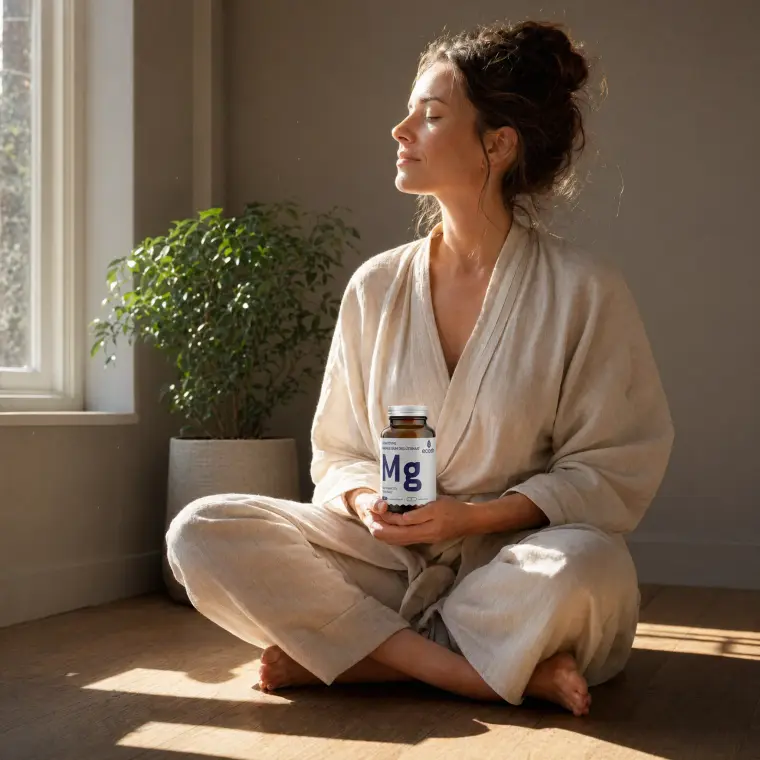
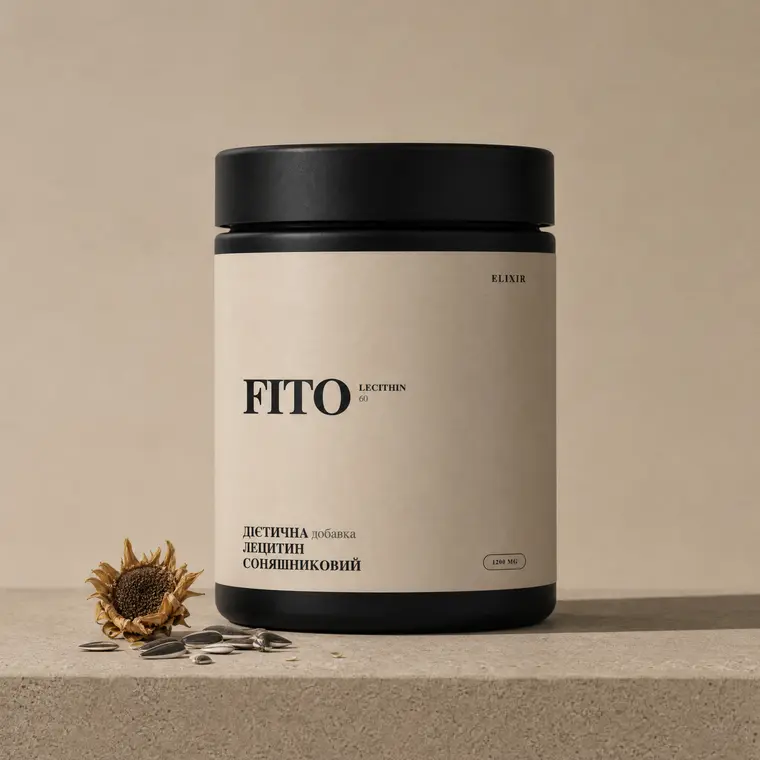
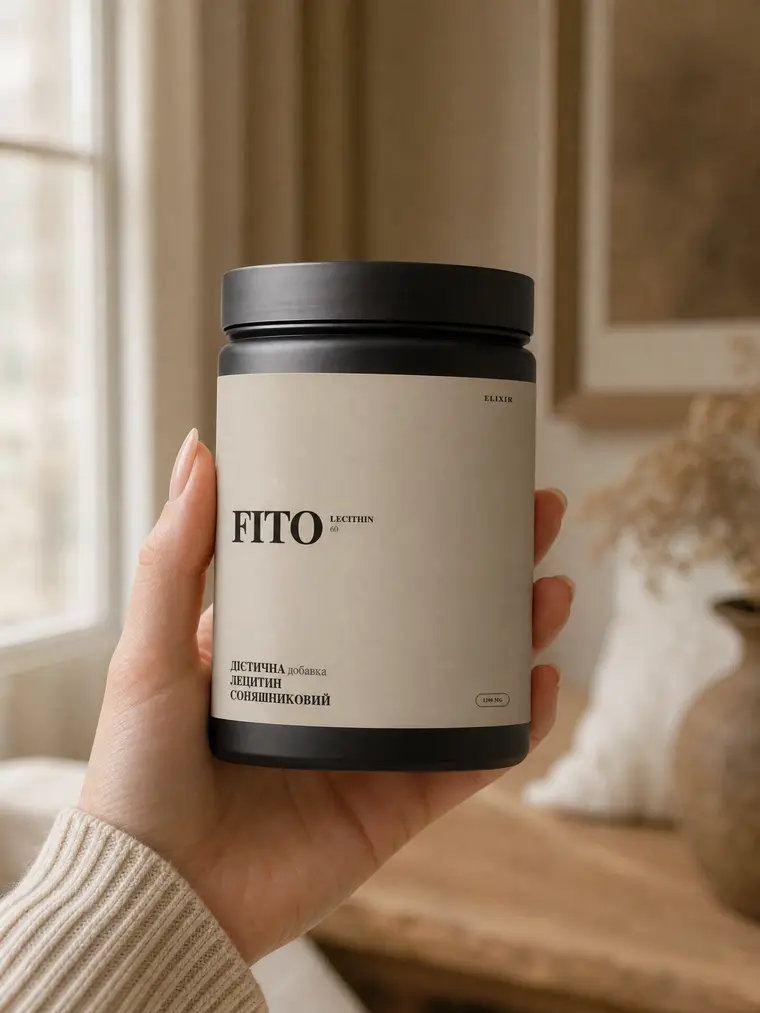
An independent native-Estonian supplement concept built from one DNA file: typographic posters, product frames, social proof, lifestyle, plus a separate editorial jar set.


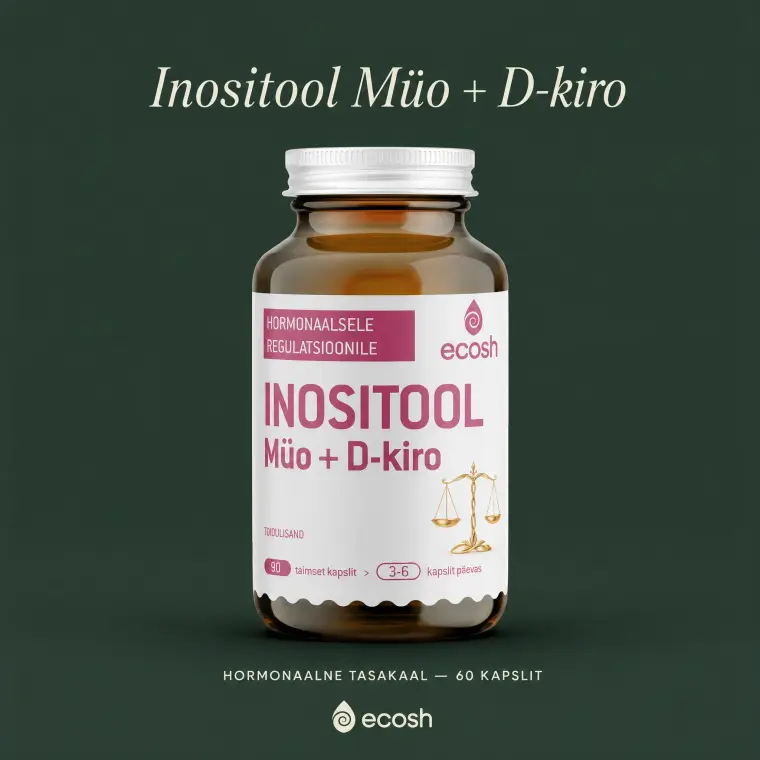


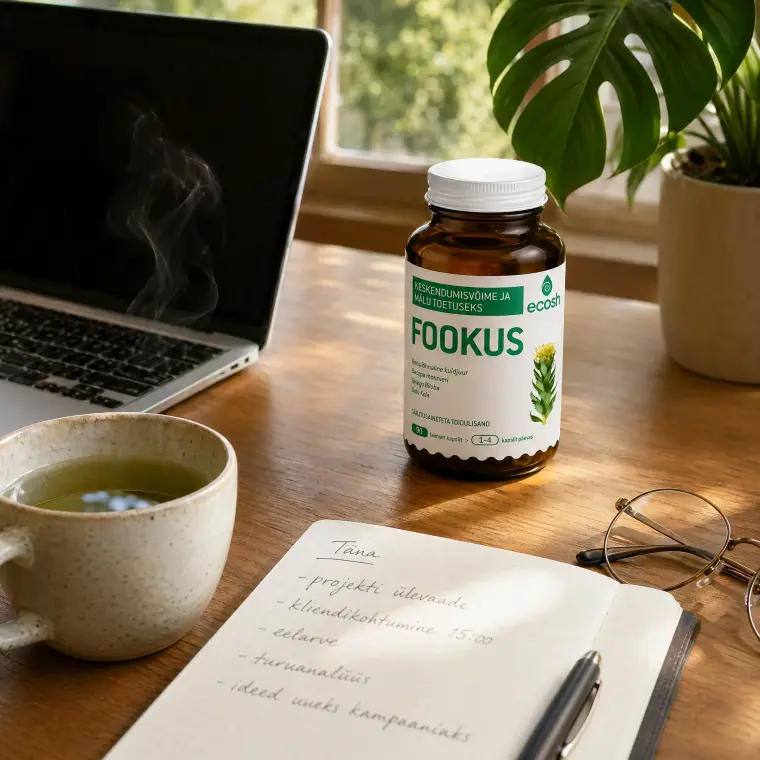

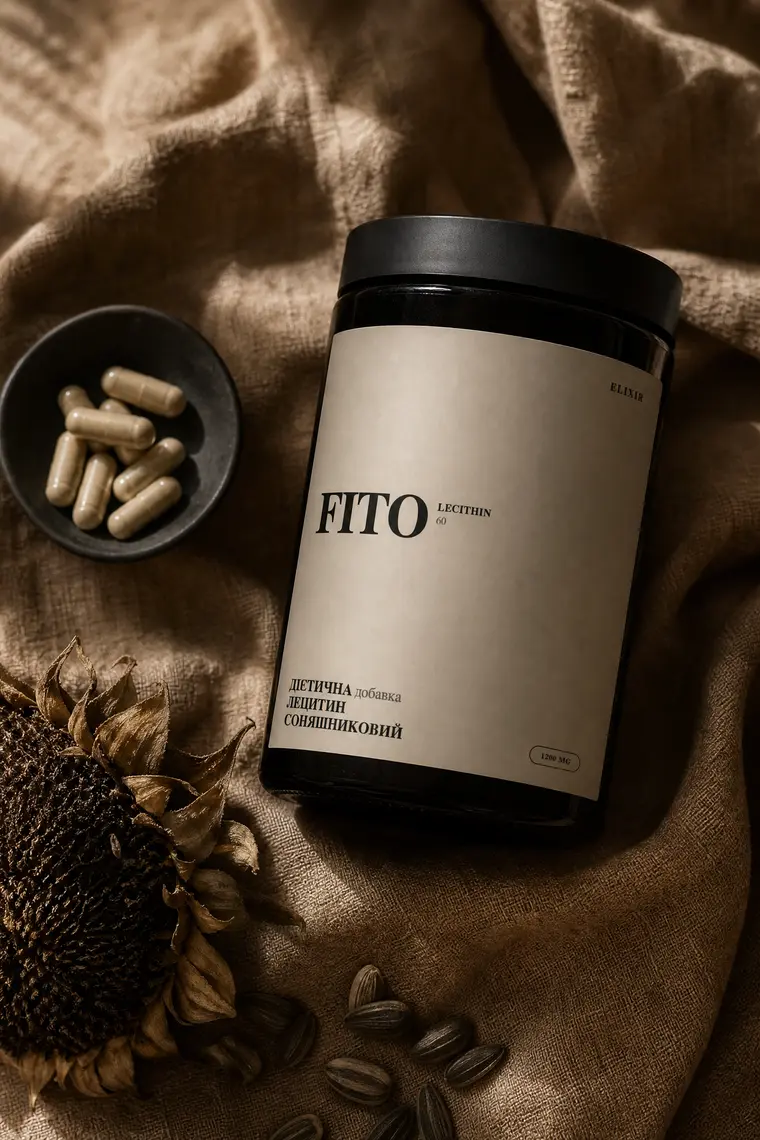
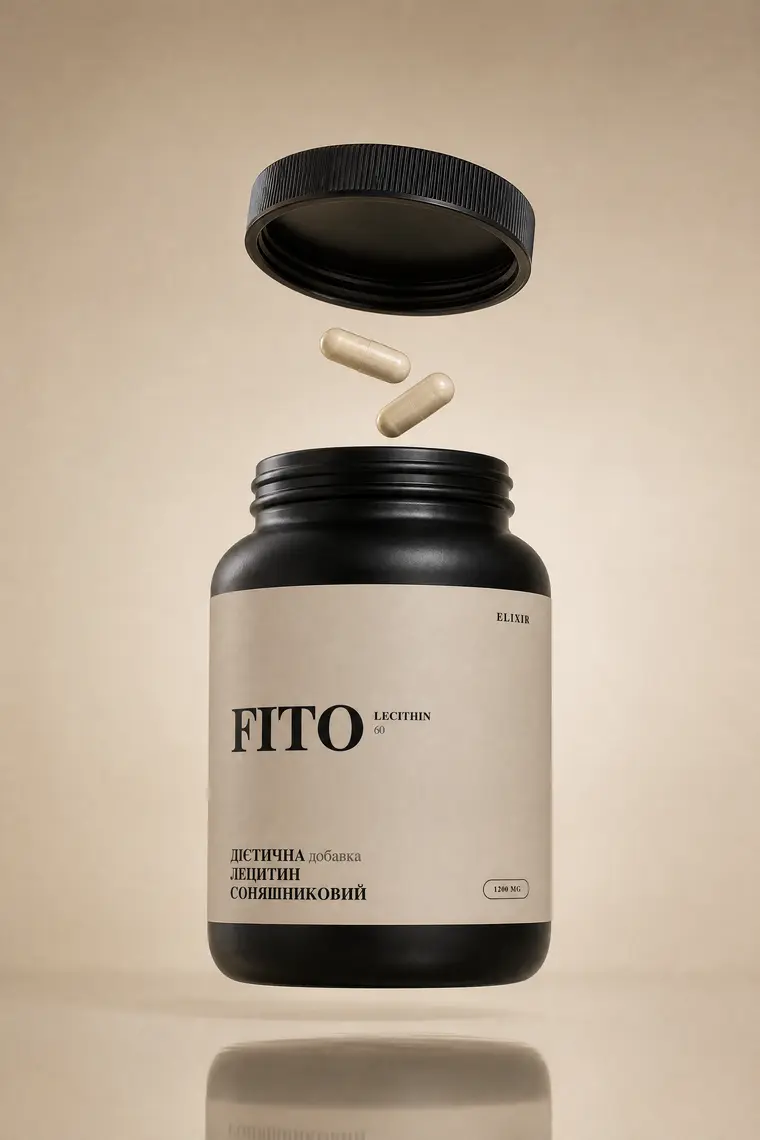
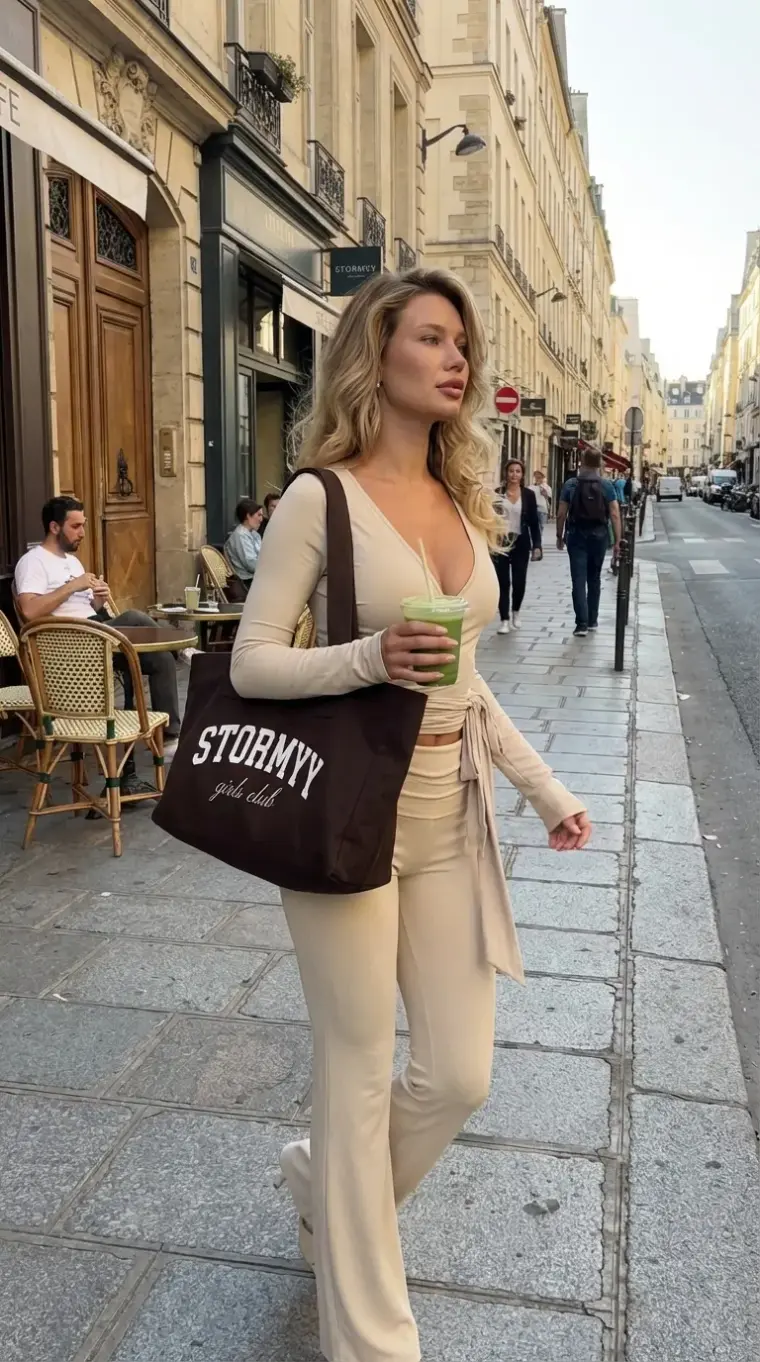
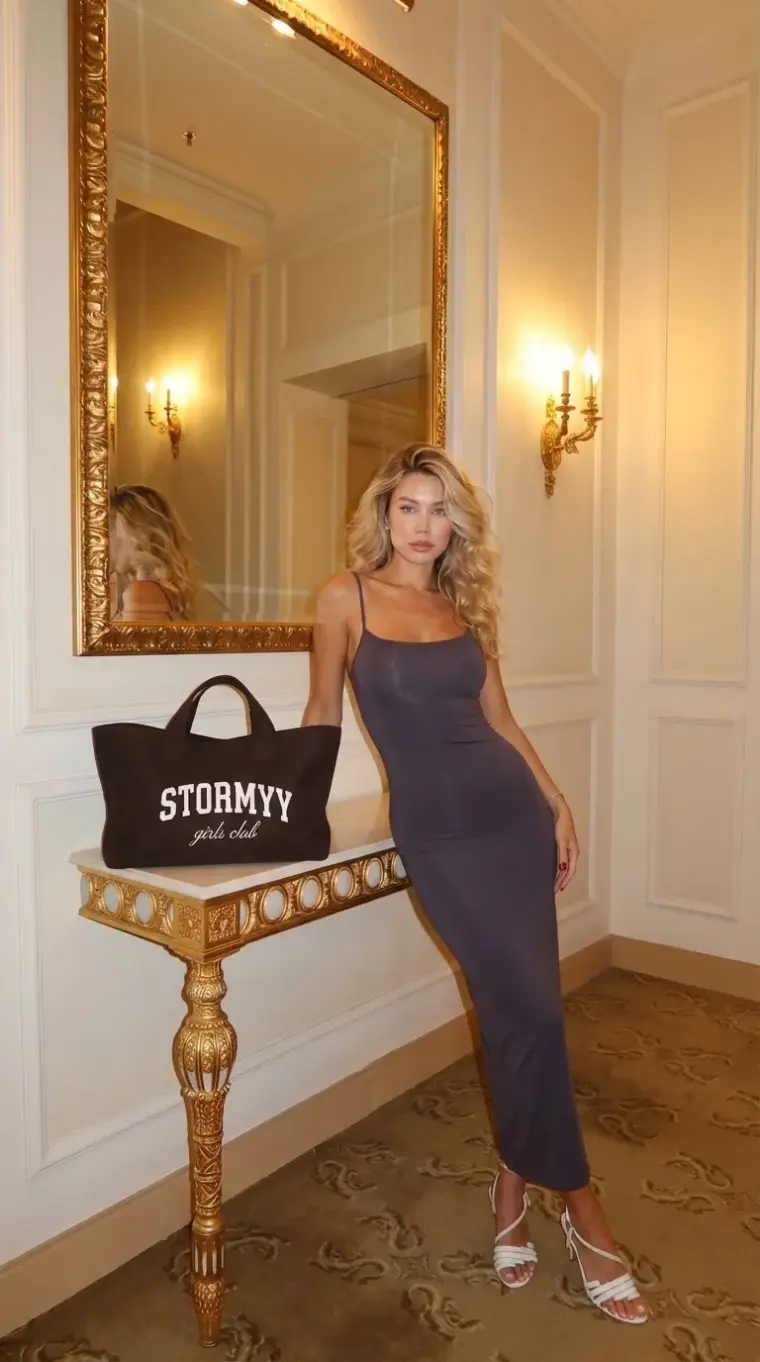
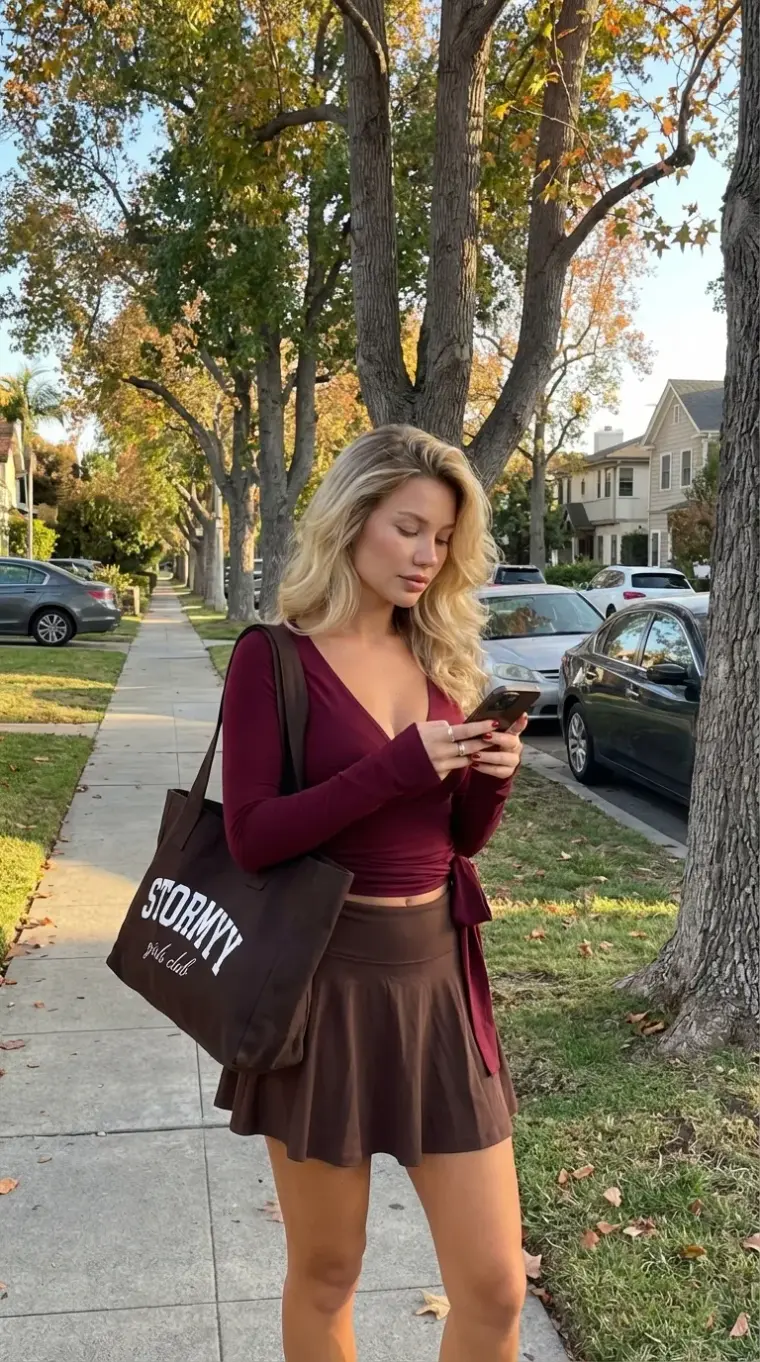
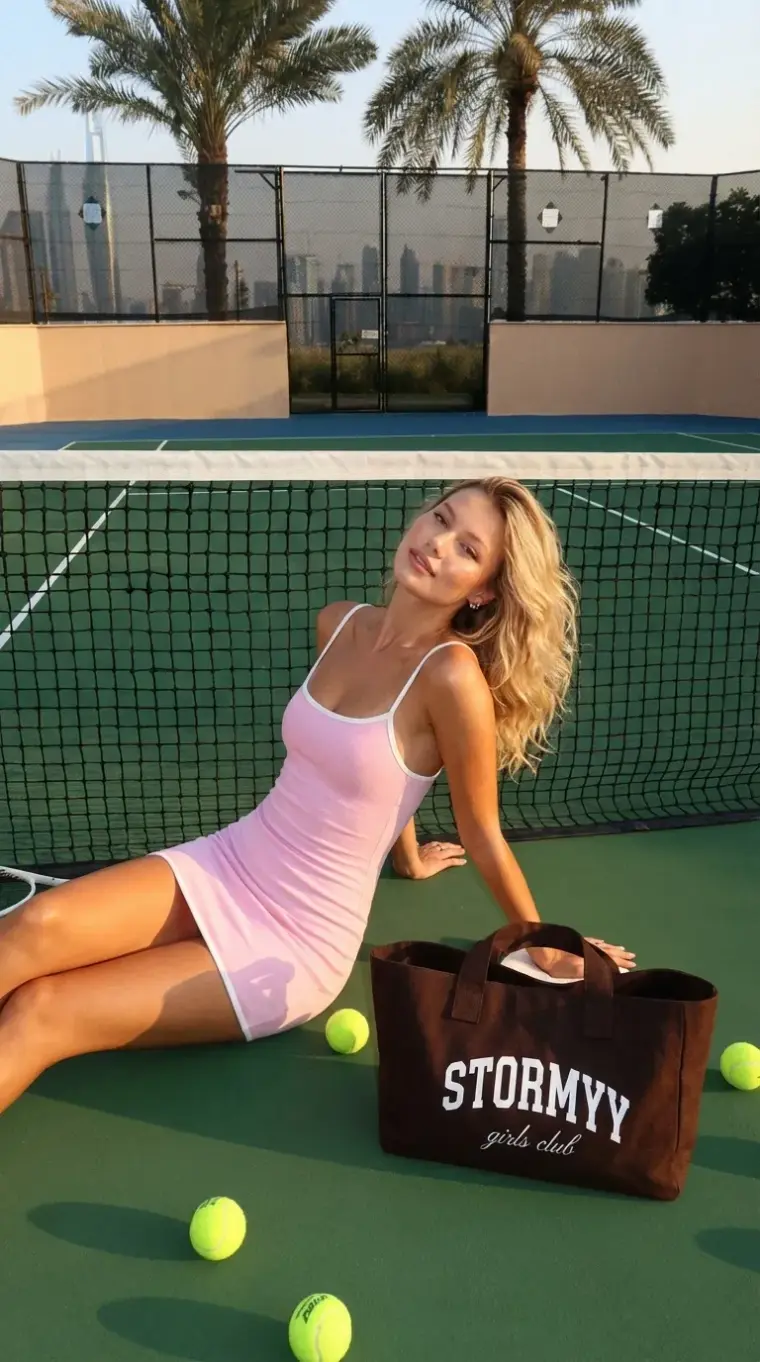
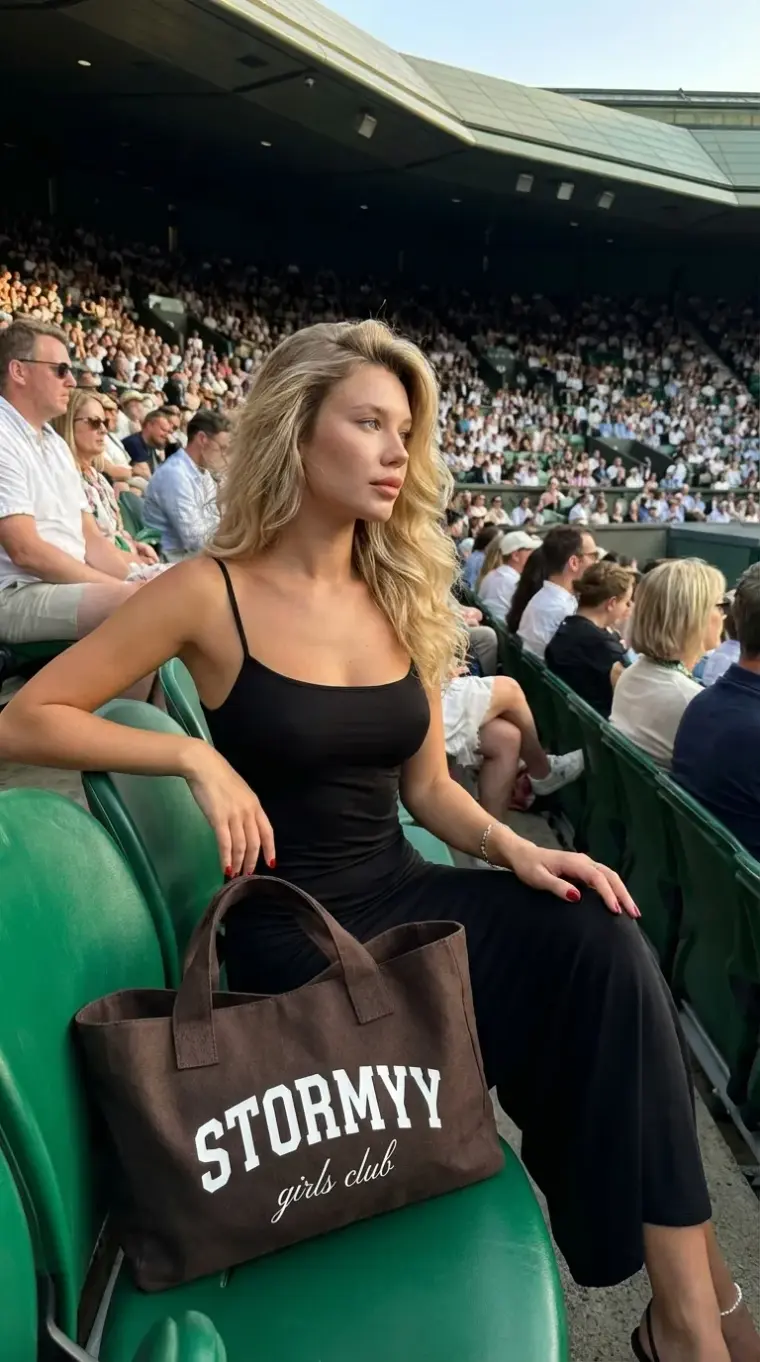
A DTC fashion label. One consistent model, one branded tote, ten locations and moods, none of it shot.
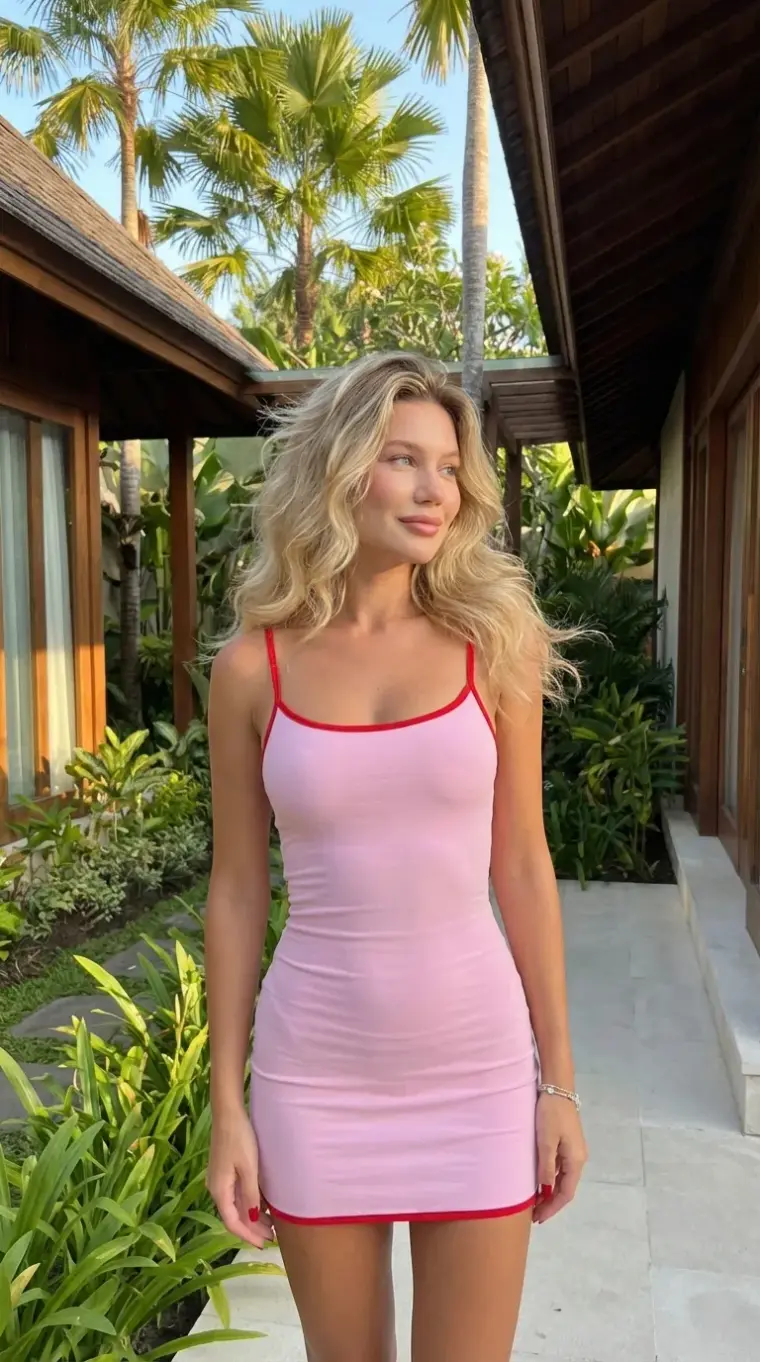

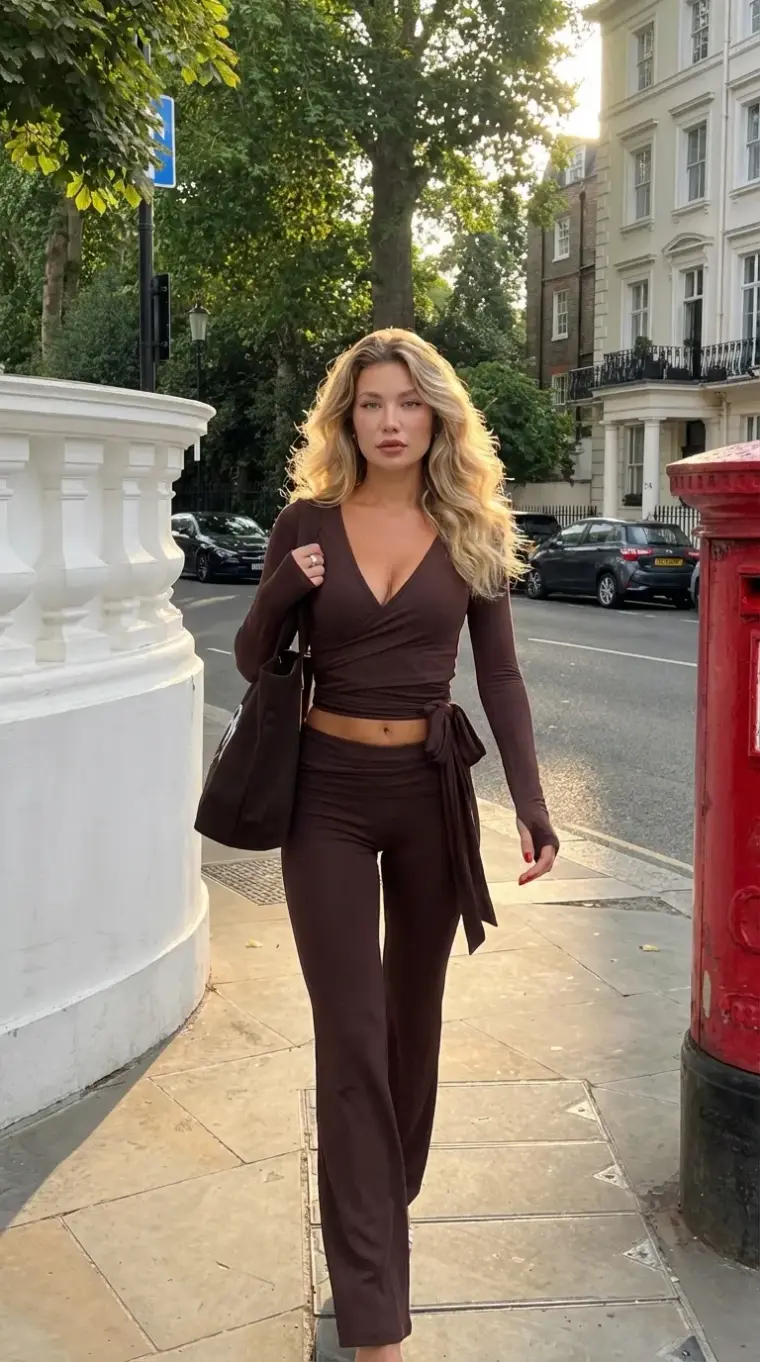
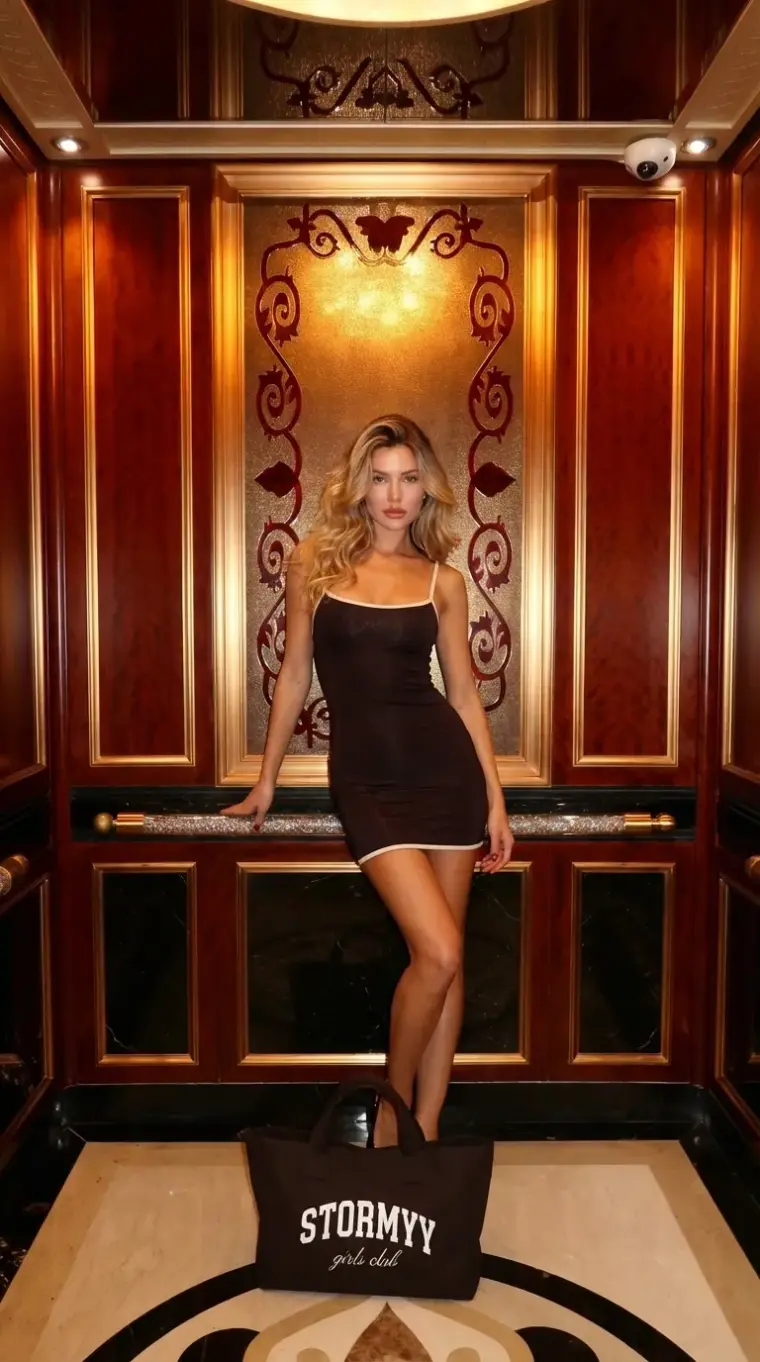
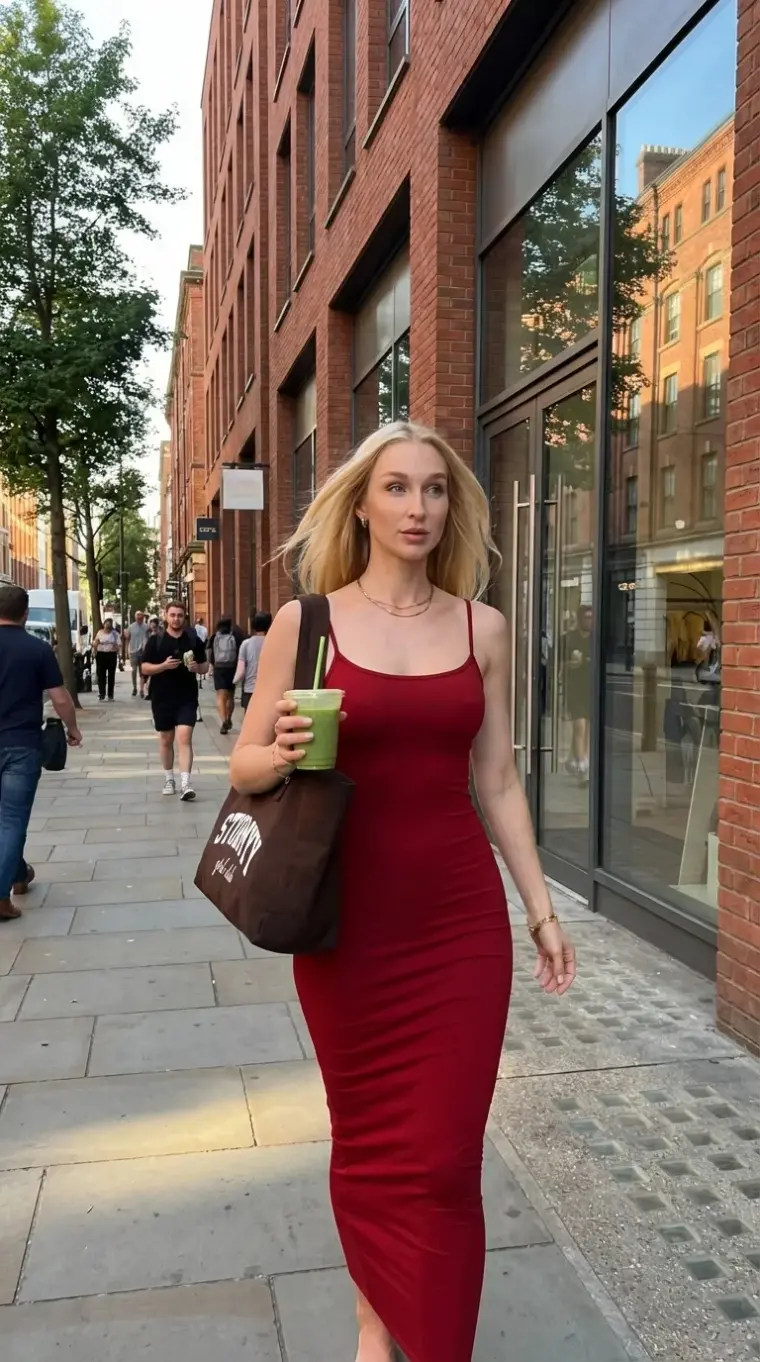
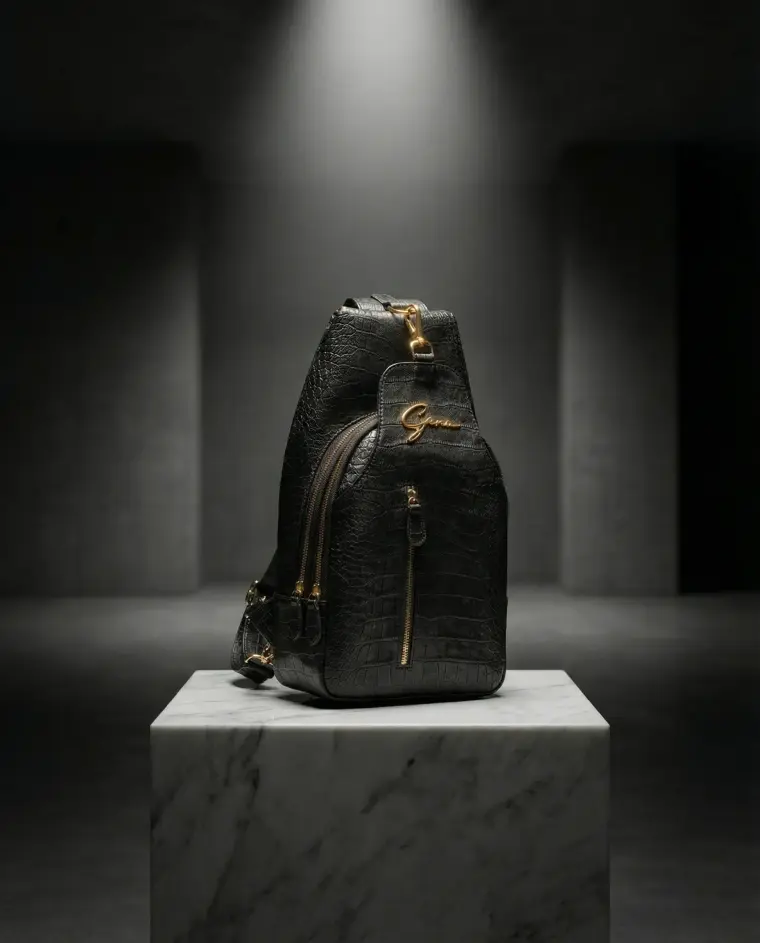
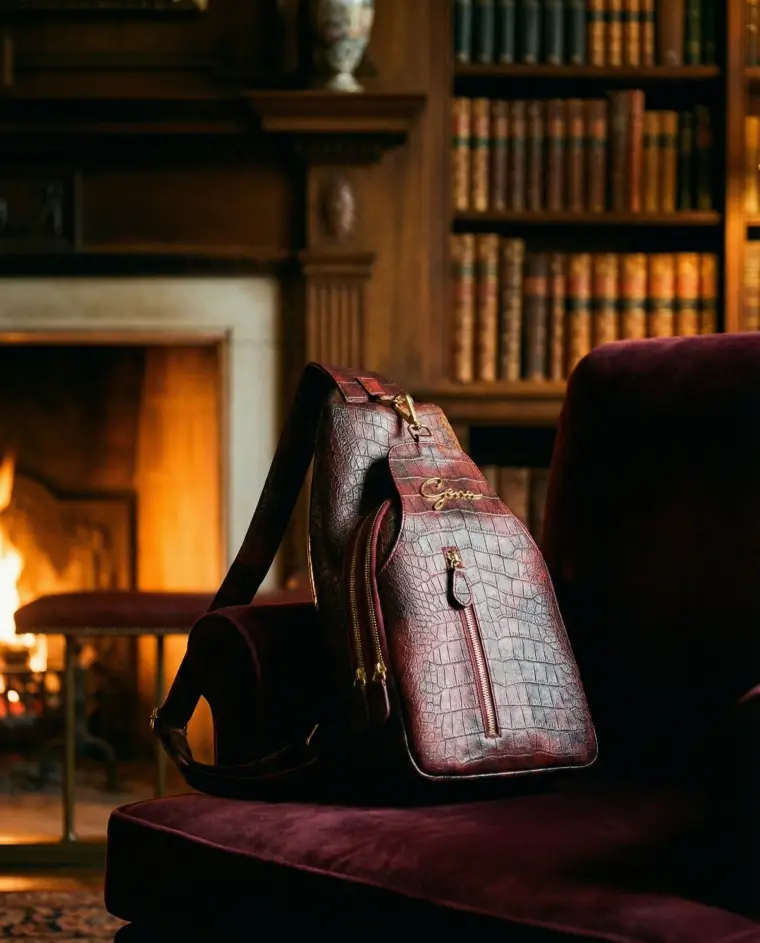
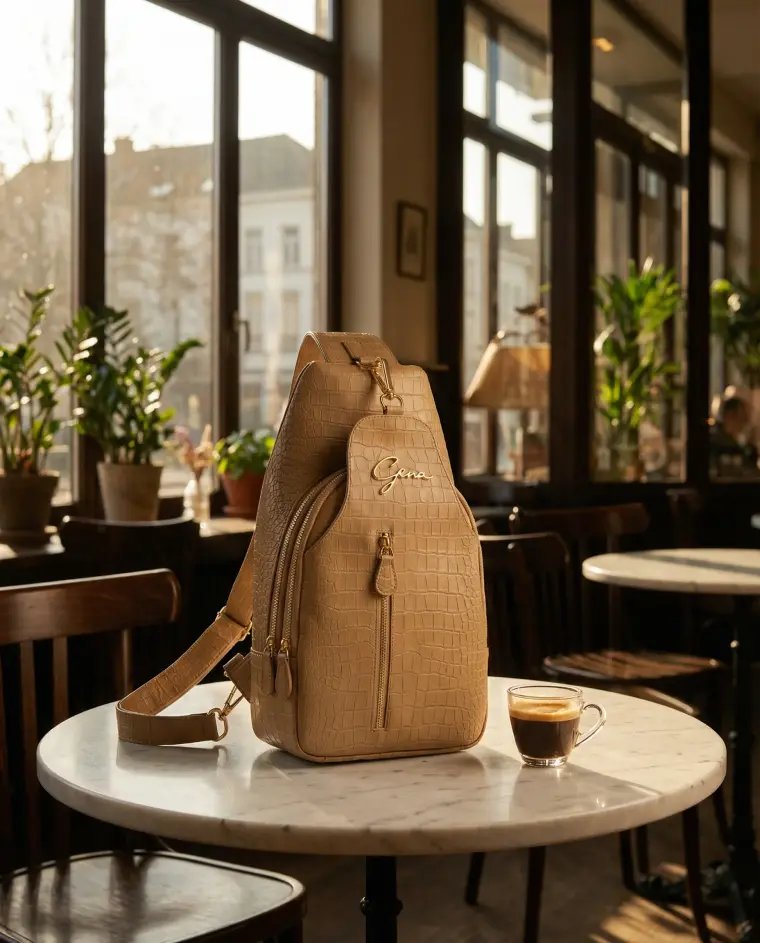
A Bali leather label. The same product shot two ways from one DNA file: gallery-lit still life for the catalogue, and a dark after-hours campaign for the feed.
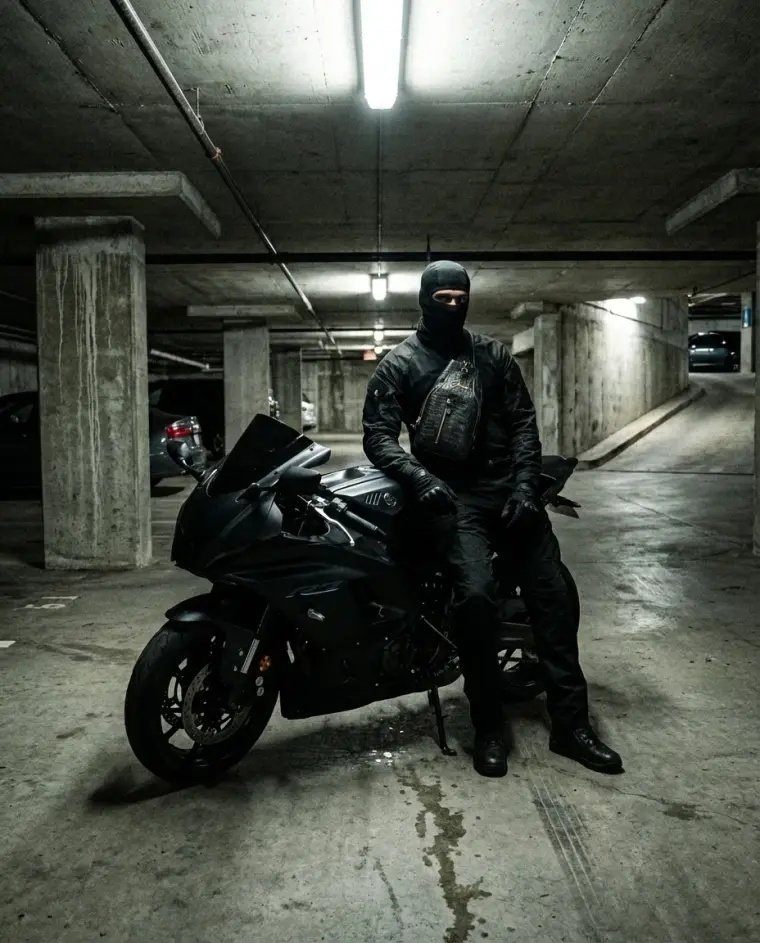
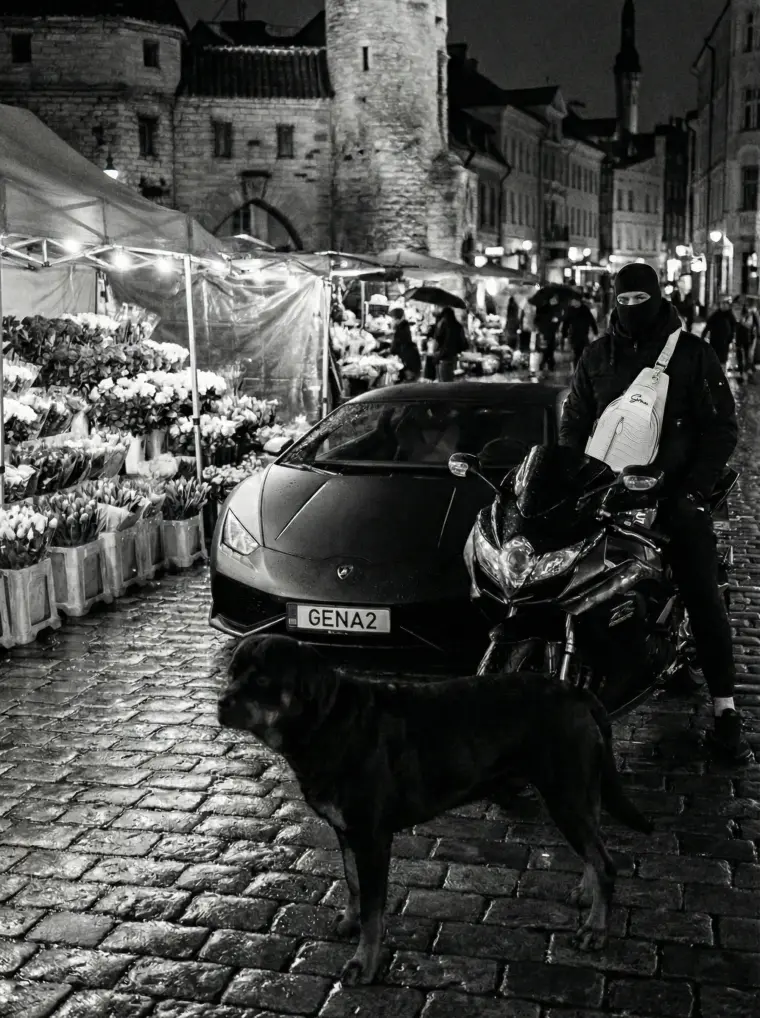
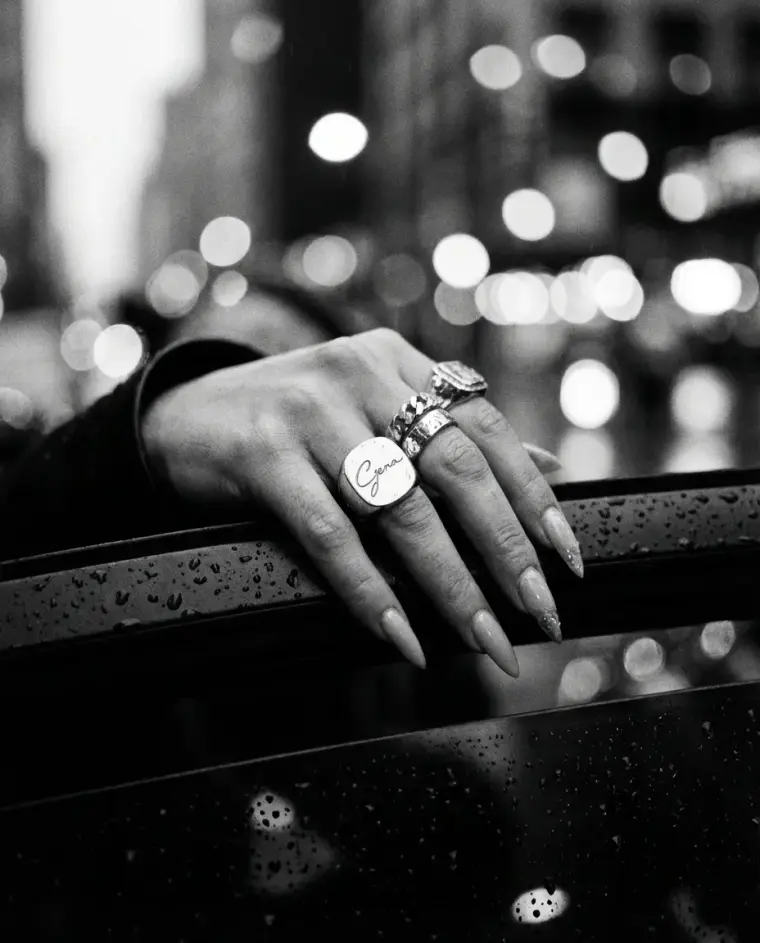
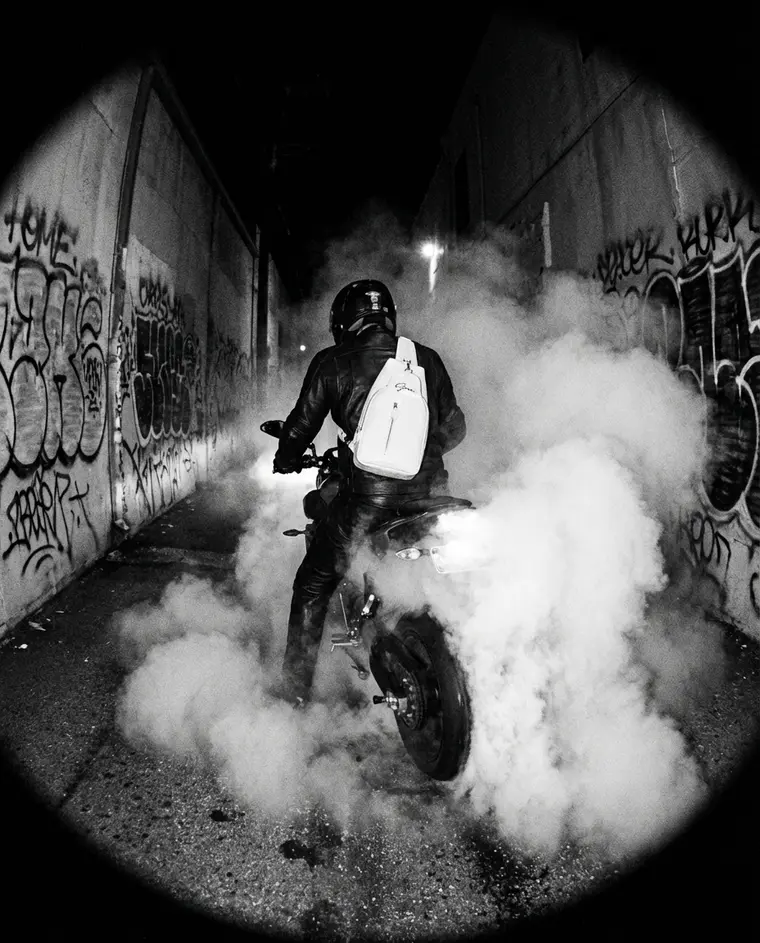
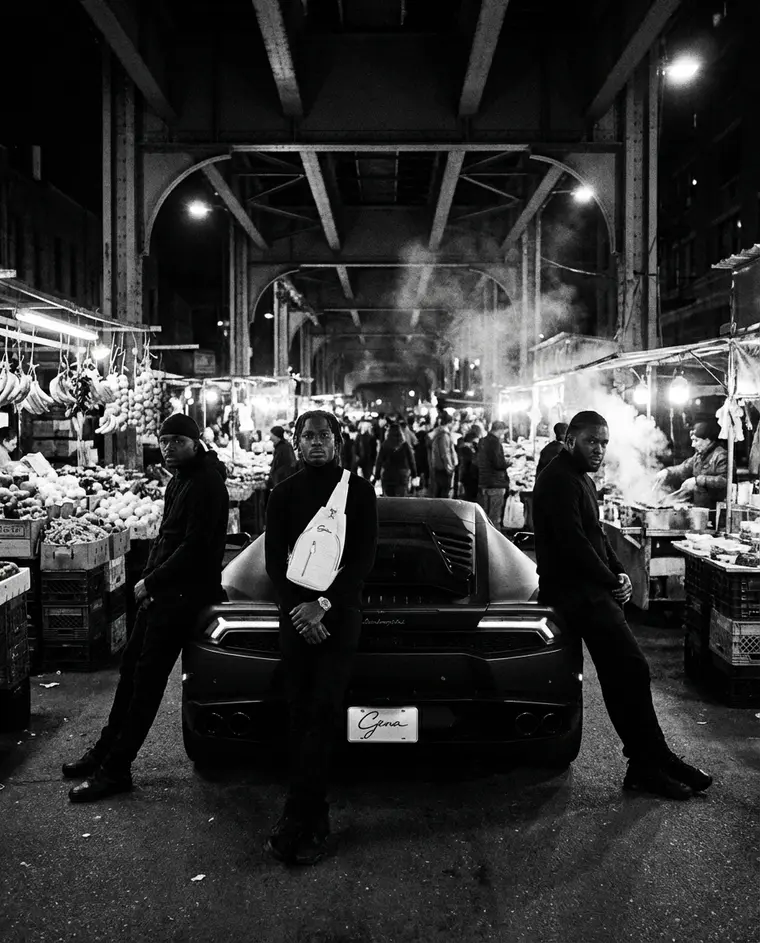
Illustrated category cards for an Estonian natural-cosmetics shop, one visual language across the whole catalogue.
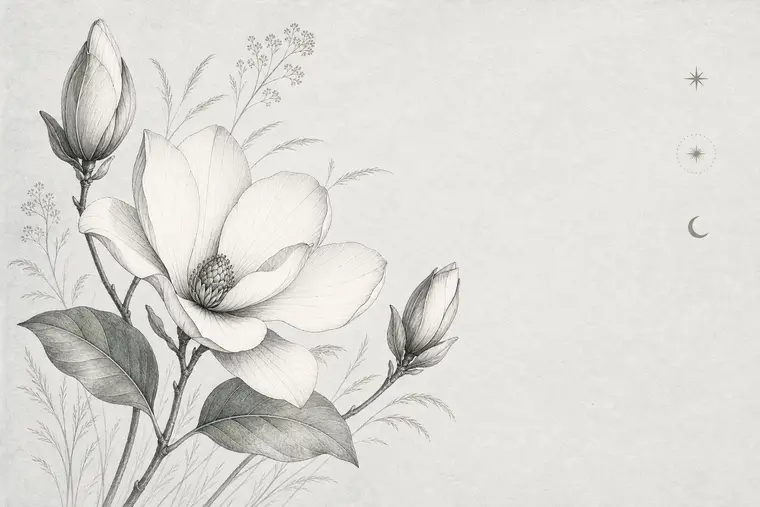

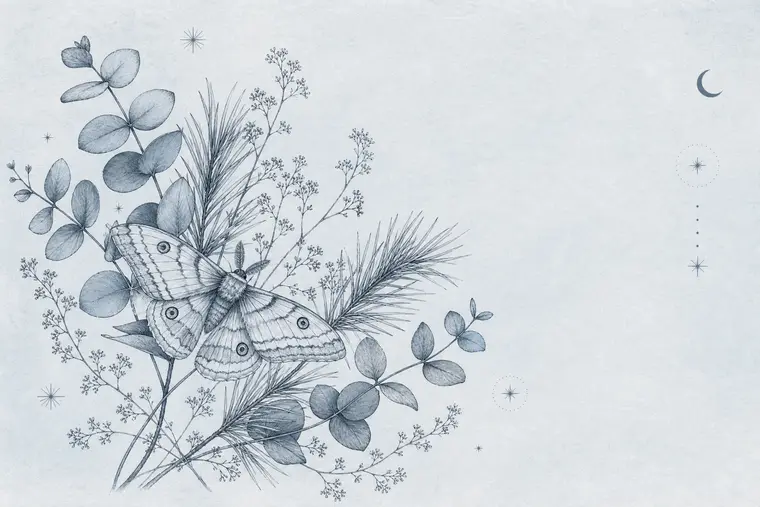
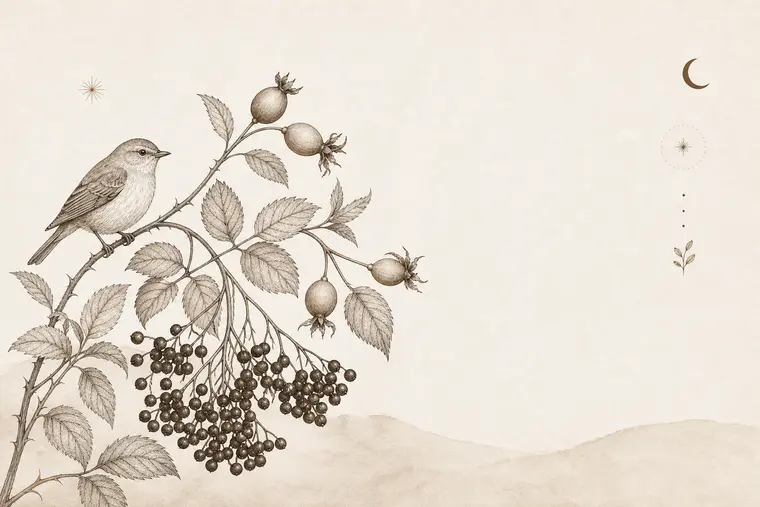
Blog heroes on the house palette. Same machine, different job: no claim, no logo, just a frame that carries an article.
What this page does not claim
- No performance data. None of these have been run as measured paid media with results we can publish, so there is no CTR, CPM or ROAS on this page. What you can judge is the output.
- The composer has fired zero times in production. Loop 3 is built and its combination space is real, but every creative above came out of Loop 1 batches. We will keep saying that until a composer fire actually ships.
- Not all of this ran. Some sets are concept work made during a client build that never became a live campaign.
- Hand-designed work is deliberately excluded. Packaging kits, logo systems and print artwork we drew rather than generated are not on this page, because this page is only about what the machines make.
Where is your business leaking revenue?
A free AI audit finds it, ranked by impact, and it is yours to keep.
Back to all case studies, or see every live build on the portfolio wall.